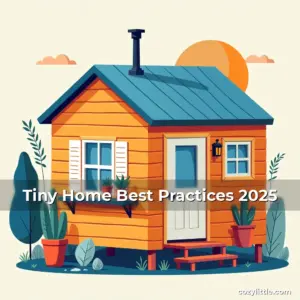
Tiny Home Best Practices 2025
The rise of the tiny home movement reflects a growing desire for simpler, sustainable lifestyles centered around minimalism and intentionality. As communities like Cozylittle embrace this trend, understanding best practices becomes essential to creating functional, beautiful spaces that meet both practical needs and personal aspirations.
Whether you’re building your first tiny house or upgrading an existing space, thoughtful planning ensures long-term satisfaction. This guide explores everything from smart storage solutions to energy-efficient systems, helping you maximize limited square footage without compromising comfort or style.
Design Principles for Tiny Living Spaces
A well-designed tiny home balances form and function, utilizing vertical space creatively while maintaining open layouts. Incorporating multi-purpose furniture such as Murphy beds or fold-out tables allows rooms to transform seamlessly between uses.
Elevated flooring options like raised platforms or floating shelves free up floor space while adding visual interest. These features create the illusion of larger areas by directing attention upward rather than focusing on confined ground-level dimensions.
- Vertical organization: Install wall-mounted cabinets and overhead storage units to reduce clutter below eye level while maximizing usable space above.
- Lighting strategies: Combine natural daylight with layered artificial lighting sources to enhance perception of room size and improve mood during darker hours.
Smart Storage Solutions for Compact Living
Innovative storage techniques are crucial for managing belongings efficiently in small spaces. Custom-built cabinetry integrated into walls eliminates wasted gaps while providing seamless access to essentials like kitchenware or clothing.
Magnetic knife strips on refrigerators or hidden compartments inside drawers offer discreet yet accessible storage for frequently used items. Choosing modular shelving systems enables easy reconfiguration as lifestyle priorities shift over time.
Hidden Storage Innovations
Modern construction methods allow built-in storage within seemingly solid surfaces. Hollowed-out walls behind decorative panels conceal books or linens, preserving aesthetic appeal while optimizing available volume.
Some designers incorporate lift-and-fold mechanisms beneath floors or within countertops to store seasonal gear without disrupting daily routines. These solutions maintain clean lines while addressing temporary spatial demands.
Energy Efficiency in Tiny Homes
Sustainable energy choices significantly impact both environmental footprint and long-term costs. Solar panel integration combined with battery storage provides reliable power even in remote locations, reducing dependence on traditional grid connections.
Passive solar heating principles utilize strategic window placement and thermal mass materials to naturally regulate indoor temperatures year-round. These eco-friendly approaches minimize reliance on mechanical climate control systems.
- Insulation upgrades: Invest in high-performance insulation for roofs and exterior walls to maintain consistent interior temperatures despite fluctuating outdoor conditions.
- Water conservation: Install low-flow fixtures alongside greywater recycling systems to drastically cut water consumption without sacrificing usability.
Choosing the Right Location for Your Tiny House
Location decisions profoundly affect zoning compliance, utility availability, and overall quality of life. Research local regulations regarding land usage rights and building codes to avoid costly surprises later.
Community-based tiny home developments often provide shared amenities like communal gardens or co-op laundry facilities, enhancing affordability while fostering social connections among residents who share similar values.
Zoning Considerations
Varying municipal ordinances dictate whether permanent tiny houses qualify as accessory dwelling units (ADUs) or require special permits. Understanding these distinctions helps determine appropriate sites ranging from private lots to designated micro-housing zones.
Certain regions permit tiny homes on wheels (THOWs) to remain parked temporarily on public lands, offering flexible housing alternatives for individuals seeking transient living arrangements outside conventional real estate markets.
Furniture Selection for Limited Spaces
Prioritize adaptable furnishings that serve dual purposes wherever possible. A dining table convertible into workspace stations saves significant floor area compared to dedicated office setups.
Opting for compact appliances with high functionality, such as combination microwave ovens or stackable dishwashers, reduces cabinet footprints while retaining full culinary capabilities typically associated with standard-sized kitchens.
Personalization Through Interior Design Choices
Selecting cohesive color schemes enhances perceived spaciousness by reflecting light better across surfaces. Lighter tones absorb less heat than darker shades, contributing positively toward passive cooling efforts during warmer seasons.
Strategic mirror placements strategically positioned near windows amplify natural illumination levels indoors, visually expanding cramped quarters without requiring physical alterations to architectural structures themselves.
Health and Safety Features in Tiny Homes
Proper ventilation systems prevent moisture buildup that could lead to mold growth in enclosed environments prone to humidity fluctuations caused by frequent temperature changes.
Fire safety measures include installing smoke detectors placed appropriately according to manufacturer guidelines along with easily accessible fire extinguishers located near potential ignition hazards like stoves or electrical outlets.
- Emergency exits: Ensure clear pathways leading away from sleeping areas towards exterior doors, particularly important for occupants experiencing night-time emergencies.
- Non-slip surfaces: Choose bathroom tiles with textured finishes designed explicitly for wet conditions to mitigate slipping risks especially after showers or baths.
Financial Planning for Tiny Home Ownership
Accurate budget projections cover initial construction expenses plus ongoing operational costs related to utilities, insurance premiums, property taxes (where applicable), and regular maintenance activities.
Exploring financing options tailored specifically for alternative housing includes government grants aimed at supporting affordable housing initiatives or crowdfunding campaigns appealing directly to niche audiences passionate about minimalist lifestyles.
Maintaining Long-Term Value in Tiny Homes
Regular inspections of structural components identify early signs of wear affecting longevity. Address minor repairs promptly to prevent escalating damage that might compromise foundation integrity or roof stability over extended periods.
Scheduling routine checks of plumbing systems detects leaks developing unnoticed behind false walls or underneath flooring planks before they cause extensive water damage or mold infestions.
Building Community Around Tiny Living
Participating actively within networks focused exclusively on tiny home enthusiasts fosters knowledge exchange beneficial for overcoming common challenges faced uniquely by people inhabiting reduced-square-footage residences.
Cooperative living arrangements sometimes emerge organically among neighbors sharing similar interests; pooling resources for collective projects strengthens bonds formed through mutual experiences navigating unconventional lifestyles together.
Conclusion
Tiny homes represent much more than mere reductions in physical size—they embody conscious decisions favoring simplicity, sustainability, and self-reliance. By following established best practices outlined here, anyone considering this lifestyle choice can confidently embark upon fulfilling journeys toward intentionally crafted living spaces.
Embracing the tiny home philosophy requires careful consideration of numerous factors impacting everyday comfort and long-term viability. However, with informed planning and commitment to continuous learning, transforming modest dwellings into thriving habitats remains entirely achievable for those willing to invest thoughtfully in their future.

news is a contributor at CozyLittle.com. We are committed to providing well-researched, accurate, and valuable content to our readers.