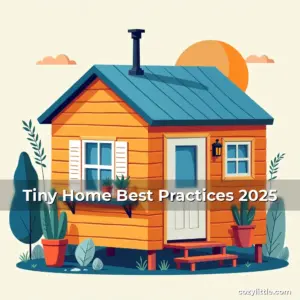

The Ultimate Tiny Home Handbook: Living Big in Small Spaces
In an era where minimalism meets sustainability, tiny homes have emerged as a revolutionary lifestyle choice. These compact dwellings offer an escape from conventional living while promoting eco-friendly habits and financial freedom.
Tiny homes challenge traditional notions of space by maximizing every inch through smart design and multifunctional furniture. They appeal to those seeking simplicity, affordability, and connection with nature without sacrificing comfort.
The Philosophy Behind Tiny Homes
The tiny home movement is rooted in intentional living. It encourages individuals to declutter their lives physically and mentally, focusing only on what truly matters.
This philosophy extends beyond physical space; it encompasses financial independence and environmental responsibility. By reducing consumption, tiny homeowners significantly lower their carbon footprint.
Living in a tiny home requires a mindset shift towards efficiency and mindfulness. Every decision becomes deliberate, fostering a deeper appreciation for resources and experiences over possessions.
Designing Your Dream Tiny Space
A well-designed tiny home balances aesthetics with functionality. The key lies in creating open spaces that feel larger than they are through strategic use of color and light.
Vertical storage solutions such as wall-mounted shelves and overhead cabinets maximize floor space without cluttering the room. Mirrors can also create illusions of spaciousness when placed strategically.
- Multifunctional Furniture: A sofa that converts into a bed or dining table that doubles as a workspace saves precious square footage.
- Smart Layouts: Open-concept designs eliminate unnecessary walls, allowing natural flow between different areas of the home.
Closet systems need special attention due to limited space. Custom-built closets with sliding doors or pull-out drawers optimize access while minimizing visual bulk.
Lighting plays a crucial role in making small spaces feel inviting. Natural daylight supplemented by energy-efficient LED lighting enhances ambiance without increasing electricity costs.
Materials Matter: Eco-Friendly Choices
Selecting sustainable materials ensures your tiny home aligns with green living principles. Bamboo flooring, recycled steel beams, and low-VOC paints contribute to healthier indoor air quality.
Insulation is vital for maintaining comfortable temperatures year-round. Spray foam insulation provides excellent thermal performance while occupying less space compared to traditional methods.
Reclaimed wood adds character and reduces demand on new timber sources. Using these materials supports local industries and minimizes transportation emissions associated with building supplies.
Eco-conscious choices extend to plumbing fixtures too. Low-flow toilets and showerheads conserve water without compromising usability or comfort levels.
Furnishing Tips for Compact Living
Furniture selection should prioritize versatility and compact dimensions. Modular sofas allow rearrangement based on daily needs rather than fixed configurations.
Built-in seating along window sills offers additional seating options while utilizing otherwise unused surfaces effectively.
Storage ottomans double as both decorative elements and practical storage units underfoot. Choosing pieces with removable covers makes cleaning easier and more efficient.
Wall-mounted desks save valuable floor area yet provide adequate workspaces for remote professionals who require dedicated zones at home.
Dining tables designed specifically for small kitchens fold away easily when not in use but expand quickly during meals or gatherings.
Powering Your Tiny Abode Sustainably
Solar panels integrated into roof structures generate clean electricity while reducing dependency on external power grids. This option proves particularly beneficial in off-grid locations.
Battery storage systems ensure continuous power supply even during cloudy days or nighttime hours when solar generation ceases temporarily.
Wind turbines complement solar setups by providing alternative renewable energy sources depending upon geographical conditions suitable for wind harvesting.
Energy recovery ventilation systems maintain fresh airflow inside the home without excessive heat loss through windows or doors.
Smart thermostats regulate heating and cooling efficiently according to occupancy patterns, further optimizing energy usage across seasons.
Legal Considerations & Zoning Laws
Before embarking on constructing or purchasing a tiny house, researching local zoning regulations is essential. Many municipalities impose restrictions regarding minimum lot sizes or placement requirements.
Some regions classify tiny homes differently—whether considered accessory dwelling units (ADUs), recreational vehicles (RVs), or manufactured homes—which affects permissible locations and necessary permits.
Engaging with city planners early helps navigate potential hurdles related to land use approvals and compliance standards set forth by governing bodies responsible for infrastructure management.
Consulting legal experts familiar with housing laws provides clarity on property rights issues concerning ownership titles and long-term residency viability within designated jurisdictions.
Community Building Through Shared Spaces
Tiny home communities foster social connections among residents sharing similar values about simplified living arrangements. Shared facilities enhance communal bonds while cutting down individual maintenance burdens.
Gardens maintained collectively promote food security initiatives alongside organic gardening practices that enrich soil health naturally without chemical interventions harming ecosystems around them.
Common areas designated exclusively for gathering purposes encourage spontaneous interactions reinforcing neighborhood cohesion despite reduced personal living quarters per household unit.
These shared environments facilitate knowledge exchange platforms where members share DIY repair tips, tool rental agreements, or collaborative projects benefiting everyone involved simultaneously.
Navigating Challenges Successfully
While embracing minimalist lifestyles brings numerous benefits, challenges arise requiring creative problem-solving skills. Limited storage capacity demands meticulous organization strategies tailored uniquely toward each homeowner’s preferences.
Privacy concerns often surface given proximity factors inherent in densely populated micro-communities unless thoughtfully planned layouts separate private sectors distinctly from public domains.
Maintaining cleanliness becomes critical because confined spaces amplify odor retention risks necessitating regular deep cleans combined with effective waste disposal protocols ensuring hygiene standards remain consistently high.
Adapting routines involves rethinking schedules so activities don’t overlap excessively causing overcrowding situations leading potentially towards stress-inducing circumstances affecting overall wellbeing negatively.
Future Trends Shaping Tiny Living
Advancements in modular construction techniques enable faster assembly times decreasing total build durations substantially thereby attracting more investors keen on quick returns from real estate ventures centered around downsizing trends.
Integration technologies involving Internet of Things (IoT) devices streamline operation controls enabling users manage various functions remotely via smartphone applications enhancing convenience aspects integral nowadays especially post-pandemic behavioral shifts emphasizing contactless interaction modes preferred widely nowdays.
Biophilic design concepts incorporating natural elements indoors continue gaining traction amongst architects aiming to bridge gaps between built environments against surrounding landscapes thus improving mental wellness indicators measurable scientifically through studies conducted recently showing positive correlations linking exposure periods spent near plants trees etc with increased productivity rates recorded subsequently after implementation phases completed successfully.
Policies evolving globally push governments toward incentivizing smaller residences via tax reductions encouraging citizens transition gradually shifting away from oversized properties consuming disproportionately higher amounts resources relative population densities present currently observed everywhere around world today.
Conclusion
Tiny homes represent much more than mere architectural novelties—they embody transformative approaches reshaping contemporary society’s relationship with material wealth versus experiential fulfillment achievable through mindful existence cultivated intentionally day-by-day.
By adopting this lifestyle consciously, individuals empower themselves financially freeing up capital reserves previously tied up immobilized assets simultaneously contributing positively ecological balance worldwide preserving planet Earth for generations coming ahead future children grandchildren great-grandchildren alike expecting inheritances intact undiminished by human exploitation mismanagement committed historically prior eras preceding modern civilization development stages encountered progressively over centuries past millennia ago until now.

news is a contributor at CozyLittle.com. We are committed to providing well-researched, accurate, and valuable content to our readers.