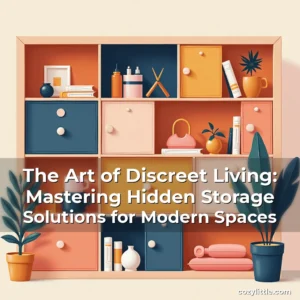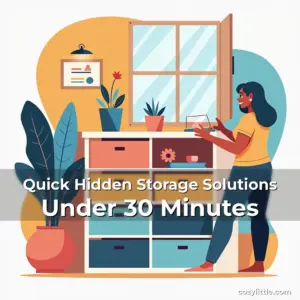

Hidden Storage: Transforming Spaces with Ingenious Solutions
In today’s world of compact living spaces and cluttered lifestyles, hidden storage has become a lifeline for homeowners seeking both practicality and elegance. From cleverly disguised cabinets to innovative multipurpose furniture, the right hidden storage solution can turn chaos into calm, making your home feel larger while keeping essentials out of sight.
Whether you’re renovating a cozy studio apartment or redesigning a family home, integrating hidden storage is more than a trend—it’s a necessity. These unobtrusive designs blend seamlessly into interiors, preserving visual harmony while offering invaluable functional benefits that cater to modern life’s demands.
The Art of Concealed Functionality
At its core, hidden storage revolves around the principle of “out of sight, out of mind.” Unlike conventional shelving or open wardrobes, these solutions prioritize discretion, ensuring that items remain accessible yet invisible until needed. This concept is particularly vital in minimalist settings where every surface contributes to the overall aesthetic.
Maintaining a clean, organized environment becomes effortless when everyday necessities are tucked away behind false panels, beneath flooring, or within furniture structures. By reducing visible clutter, hidden storage promotes mental clarity and enhances the sense of spaciousness in smaller rooms.
- Built-In Shelving: Custom-designed wall units offer seamless storage without compromising architectural integrity.
- Under-Bed Systems: Lift-top drawers or sliding trays maximize vertical space often left unused in bedrooms.
- Furniture Integration: Sofas, beds, and coffee tables can double as storage with hidden compartments or lift-off panels.
Designing for Practicality Without Compromise
Crafting effective hidden storage requires careful consideration of lifestyle needs and spatial limitations. For instance, a busy household may benefit from easily accessible kitchen storage integrated into countertops, whereas a guest room might require discreet linen closets to avoid disrupting the décor.
Material selection plays a pivotal role in durability and aesthetics. Options range from natural wood finishes that complement rustic themes to sleek metallic accents ideal for industrial-style interiors. Ensuring compatibility with existing design schemes prevents hidden storage from feeling intrusive or mismatched.
Color Matching and Texture Coordination
A hidden cabinet door painted to match surrounding walls vanishes instantly, becoming part of the background rather than an eyesore. Similarly, textured surfaces such as stone cladding or fabric-wrapped panels allow storage elements to mimic nearby furnishings or structural features.
This attention to detail transforms utility pieces into decorative statements. For example, a bookshelf designed to look like a standard wall unit gains charm through subtle imperfections in paint or wooden grain patterns, creating character without sacrificing secrecy.
Tech-Enhanced Hidden Storage Innovations
Modern advancements have elevated hidden storage beyond simple concealment. Smart lockers equipped with biometric access provide secure entry for valuables, while motion-sensor lighting inside enclosed areas ensures visibility during nighttime use without exposing internal contents.
Wireless charging stations embedded in desk surfaces or nightstands exemplify how tech integration streamlines daily routines. These features not only enhance convenience but also reinforce the notion that true hidden storage should adapt to evolving lifestyles rather than being limited by static setups.
Eco-Friendly Approaches to Space Optimization
Sustainability is increasingly influencing interior design choices, and hidden storage offers opportunities for environmentally conscious practices. Repurposing old furniture by adding concealed compartments reduces waste, while selecting locally sourced materials lowers carbon footprints associated with production and transport.
Eco-conscious consumers may opt for modular storage systems made from recycled plastics or sustainably harvested woods. Additionally, energy-efficient LED lighting installed within enclosures minimizes electricity consumption compared to traditional bulbs used in visible fixtures.
Repurposed Furniture: A Green Solution
Upcycling antique dressers or repainting worn-out chests introduces new life to outdated pieces while expanding usable storage capacity. Adding soft-close drawer mechanisms or non-toxic sealants preserves original characteristics while improving usability standards.
By focusing on sustainable materials and ethical manufacturing processes, homeowners contribute positively to global environmental efforts without compromising on personal comfort levels achieved through clever organization techniques.
Community Collaboration Through Shared Storage Concepts
Collaborative living arrangements frequently incorporate shared hidden storage solutions that promote communal bonding over resource management responsibilities. In co-living situations, designated lockable zones enable residents to store belongings securely without interfering with others’ privacy.
Cooperative kitchens featuring concealed spice racks above stoves or multi-tiered pantries positioned behind backsplashes demonstrate how collective effort leads to efficient utilization of common areas typically prone to disorganization.
Customization Possibilities for Unique Needs
No two households possess identical requirements; therefore, customizable hidden storage remains crucial for tailored implementations. Adjustable shelving units accommodate varying item sizes, while retractable rods support hanging organizers suited for seasonal clothing collections.
Homeowners can consult with designers specializing in bespoke solutions who understand niche preferences—from storing delicate collectibles in climate-controlled environments to accommodating pet-related gear within dedicated cubbies near entrances.
Overcoming Common Challenges in Implementation
Despite numerous advantages offered by hidden storage, certain challenges must be addressed prior to installation. Limited headroom beneath stairs presents difficulties unless specialized crawl space organizers feature lightweight construction suitable for narrow passages.
Structural concerns arise whenever modifications involve load-bearing walls or floor joists requiring reinforcement measures before adding weight capacities exceeding safe thresholds set forth by building codes regulations applicable regionally.
Safety Considerations for Children and Pets
Families raising young children necessitate childproof latches preventing accidental discovery of potentially hazardous stored items located within reach ranges below standard countertop heights. Pet owners face similar dilemmas regarding inaccessible food reserves kept away from curious animals inclined towards rummaging behaviors.
Investments in heavy-duty security locks combined with tamper-proof mounting hardware safeguard against unwanted interactions between occupants and concealed goods meant exclusively for authorized users alone possessing knowledge of access protocols established beforehand.
Future Trends Shaping Hidden Storage Evolution
Rapid technological progress continues driving innovation within hidden storage domains. Emerging concepts suggest foldable partitions capable of transforming entire rooms overnight depending upon time-of-day priorities governing activity schedules typical amongst urban dwellers prioritizing flexibility over permanence.
Biodegradable composites destined to replace plastic components signify upcoming green initiatives poised to redefine industry norms favoring sustainability alongside performance metrics evaluating longevity expectations demanded consistently by market participants globally.
Conclusion
From smart technology integrations to eco-friendly material selections, hidden storage transcends mere organization by enhancing quality of life experiences significantly. Its ability to harmonize form with function makes it indispensable toolset available universally applicable regardless geographical locations occupied currently.
To begin incorporating hidden storage into your living space, assess current layouts identifying underutilized corners awaiting creative interventions. Engage local artisans familiar with artisan craftsmanship traditions passed down generations guaranteeing authenticity aligned perfectly with envisioned outcomes desired ultimately.

news is a contributor at CozyLittle.com. We are committed to providing well-researched, accurate, and valuable content to our readers.