The Tiny Living Revolution: A Comprehensive Look at Micro Homes and Their Impact
In an era where space is both scarce and costly, tiny homes have emerged not only as a housing solution but also as a movement redefining our relationship with living spaces. This article explores the world of micro dwellings through the lens of practicality, sustainability, and lifestyle transformation.
The rise of these compact abodes reflects broader societal shifts towards minimalism, environmental consciousness, and financial prudence—factors that are reshaping how we think about shelter and personal space.
Understanding the Tiny Home Phenomenon
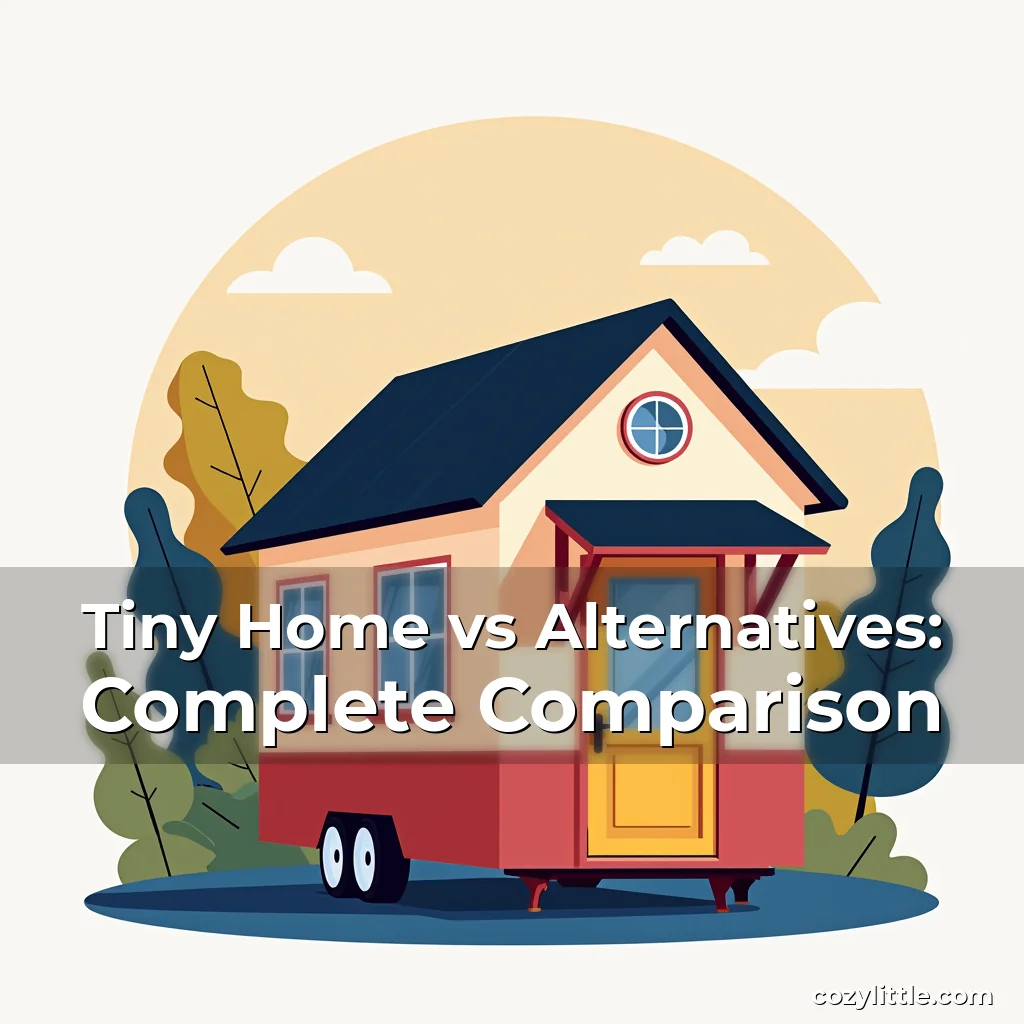
A tiny home typically ranges from 100 to 400 square feet, offering enough room for essential living functions while promoting simplicity. These structures often feature multi-functional furniture and creative storage solutions designed to maximize every inch of available space.
Proponents argue that such small spaces encourage mindfulness by eliminating excess clutter and focusing on what truly matters. This philosophy extends beyond physical belongings to include digital habits and social interactions.
- Sustainability: The reduced footprint minimizes resource consumption and waste production compared to traditional homes.
- Cost Efficiency: Lower construction costs and maintenance expenses make tiny homes financially attractive options for many individuals.
Economic Advantages of Tiny Dwellings
Purchasing land and building a conventional house can be prohibitively expensive for first-time buyers or those seeking alternative lifestyles. In contrast, tiny homes require significantly less investment upfront due to their smaller size and simpler design requirements.
Monthly mortgage payments associated with tiny homes tend to be substantially lower than those required for standard-sized residences. Additionally, utility bills decrease proportionally because there’s less area to heat, cool, and light.
Environmental Benefits of Compact Living
The ecological impact of traditional housing developments has prompted many to seek greener alternatives. Tiny homes contribute positively to environmental conservation efforts by reducing overall material usage during construction phases.
Residents of micro dwellings frequently adopt eco-friendly practices naturally, including composting systems, rainwater harvesting units, and solar energy installations. These choices align seamlessly with sustainable living principles.
Statistical Insights Into Green Living Choices
Data collected over recent years indicates that occupants of tiny homes consume approximately 60% less electricity annually than residents of average-sized houses. This reduction stems primarily from efficient insulation techniques combined with renewable energy sources.
Furthermore, studies show that people who live in compact environments are more likely to engage in regular outdoor activities, which contributes indirectly to carbon emission reductions via increased walking and cycling instead of vehicle use.
Lifestyle Adjustments Required For Micro Housing
Transitioning to life within limited square footage necessitates thoughtful consideration regarding daily routines and personal preferences. Individuals must evaluate whether they’re willing to embrace downsizing aspects related to possessions and spatial organization strategies.
Creativity plays a crucial role in making the most out of constrained areas; innovative storage ideas become vital components of functional interior layouts. Open-plan designs facilitate seamless transitions between different zones without sacrificing privacy boundaries.
Social Perceptions And Community Integration
While some communities warmly welcome tiny homes as part of local architecture diversity initiatives, others remain skeptical about potential zoning regulations challenges or aesthetic concerns raised by neighbors unfamiliar with non-traditional housing models.
Maintaining positive relationships with surrounding neighborhoods involves proactive communication strategies aimed at addressing misconceptions while highlighting benefits such as decreased traffic congestion caused by fewer vehicles parked nearby.
Legal Considerations For Tiny Home Owners
Navigating legal frameworks governing residential property ownership requires careful research since codes vary widely across jurisdictions. Understanding local ordinances concerning minimum square footages permitted under residential classifications becomes essential before committing resources toward development projects.
Some regions offer special permits allowing mobile tiny homes placed upon trailers provided certain safety standards are met—including fire suppression measures and emergency exit accessibility features—thereby enabling greater flexibility regarding location choices.
Technological Innovations Enhancing Tiny Spaces
Rapid advancements in smart technology provide new opportunities for optimizing functionality within confined quarters. Devices capable of automating lighting controls based on occupancy sensors help conserve power while enhancing comfort levels simultaneously.
Integrated kitchen appliances featuring fold-out workspaces serve dual purposes effectively, transforming dining areas into fully equipped cooking stations whenever needed. Such innovations support versatile yet organized living arrangements tailored specifically for small-footprint environments.
Design Principles Governing Successful Tiny Homes
Effective architectural planning remains central to creating livable conditions inside restricted dimensions. Architects specializing in this field prioritize vertical utilization methods involving lofted sleeping quarters above communal living areas.
Materials selected play significant roles too; lightweight composites paired with high thermal efficiency ratings ensure structural integrity alongside improved climate control capabilities regardless of external weather fluctuations.
Health Impacts Associated With Small-Space Living
Research suggests that inhabitants of appropriately designed tiny homes experience comparable mental health outcomes relative to those residing in larger accommodations when adequate natural light exposure and air quality management protocols are implemented correctly.
Vigorous exercise regimens maintained indoors through yoga sessions or resistance training equipment installed strategically prevent sedentary behaviors commonly linked with prolonged indoor confinement scenarios found occasionally among micro-dwelling residents.
Future Trends Shaping The Tiny Home Industry
Emerging trends indicate growing interest in modular construction approaches utilizing prefabricated components shipped directly onto designated sites ready for assembly. This shift promises accelerated build timelines coupled with consistent product quality assurance processes.
Additionally, integration of green roofs incorporating native vegetation serves dual purposes—providing insulation against extreme temperatures while supporting biodiversity initiatives around urban centers experiencing rapid expansion pressures.
Community Building Through Shared Tiny Living Models
Collective living arrangements involving shared common facilities foster stronger interpersonal connections among participants sharing similar values centered around simplicity and ecological responsibility.
Co-housing communities implement structured schedules ensuring equitable access timeslots allocated for meal preparation responsibilities thereby reinforcing cooperative spirit inherent within group dynamics established initially through mutual agreement stages.
Conclusion
The journey toward embracing tiny living represents more than mere accommodation adjustments—it signifies profound cultural transformations impacting various facets spanning economic stability, environmental stewardship, and interpersonal relations.
By thoughtfully evaluating individual needs alongside broader contextual factors influencing decision-making processes, aspiring micro-home dwellers stand poised to redefine contemporary notions surrounding domestic existence itself.
“`

news is a contributor at CozyLittle.com. We are committed to providing well-researched, accurate, and valuable content to our readers.