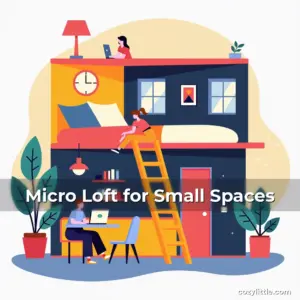

Micro Loft Best Practices 2025
The rise of urban living has sparked renewed interest in micro lofts, blending minimalism with functionality to create cozy, efficient spaces. As cities grow denser and housing becomes increasingly scarce, small-scale designs offer innovative solutions for those seeking affordability and style. Micro lofts challenge traditional notions of luxury by prioritizing clever organization and multifunctional use.
In 2025, micro loft enthusiasts are embracing bold colors, modular furniture, and cutting-edge materials to maximize comfort despite limited square footage. Whether you’re downsizing, renting affordably, or simply drawn to the aesthetic, mastering these best practices transforms tiny spaces into vibrant sanctuaries. Let’s explore how to optimize your micro loft experience today.
Fundamentals of Micro Loft Design
A micro loft thrives on intentional design decisions that balance aesthetics with utility. Unlike conventional apartments, these compact spaces demand verticality, smart zoning, and strategic light management. Every inch counts, making thoughtful layout planning non-negotiable. Prioritize flexibility to adapt the space to evolving needs over time.
Consider ceiling height and structural constraints early in the design phase. Open-concept layouts enhance perception of space but require careful division through color, texture, or floating partitions. Avoid cluttered arrangements; instead, use visual cues like flooring changes or lighting zones to define areas. A well-planned micro loft feels expansive even in tight confines.
- Vertical Storage: Install wall-mounted shelves, hanging organizers, and overhead cabinets to free floor space while adding architectural interest.
- Lighting Layering: Combine ambient, task, and accent lighting sources to create depth and avoid monotony in small rooms.
- Color Psychology: Light neutrals expand perceived size, while bold accents inject personality without overwhelming the eye.
Smart Furniture Selection
Choosing adaptable furnishings is paramount in a micro loft. Opt for pieces that serve dual purposes, such as sofas with hidden storage compartments or dining tables that convert into workstations. Invest in quality over quantity to maintain elegance and reduce long-term costs.
Built-in furniture maximizes space efficiency by eliminating bulky decor. Custom cabinetry beneath windowsills or along walls offers concealed storage without sacrificing design cohesion. Foldable chairs, retractable desks, and Murphy beds exemplify versatility in action.
Multi-Functional Sofas
Sofas with integrated seating, sleeping capabilities, or storage are game-changers for micro lofts. Look for models with pull-out mattresses, removable cushions, or built-in drawers. Modular sofa systems allow reconfiguration based on daily routines, enhancing usability and spatial flow.
Cushions with zippers enable easy cleaning, while neutral tones match diverse interior styles. Some units feature USB ports or wireless charging pads—an unexpected perk for tech-savvy residents.
Storage Solutions for Tiny Spaces
Elevated storage is vital to prevent clutter from suffocating a micro loft. Utilize under-bed containers, over-the-door shoe racks, and magnetic spice holders to reclaim dead space. Declutter regularly to maintain order and reduce stress.
Custom shelving tailored to room dimensions ensures seamless integration with existing architecture. Floating shelves appear less intrusive than freestanding ones, preserving clean lines and minimizing shadows. Consider installing rotating bookcases or adjustable dividers for dynamic access.
Hidden Compartments
Disguised storage options add intrigue and practicality. Hollow out walls behind decorative art panels, install false ceilings with secret compartments, or use lift-top coffee tables for additional surface area. Ensure these features align with safety standards and building codes.
Mirrored closet doors double as full-length mirrors and reflect natural light, creating illusions of spaciousness. Similarly, glass-front cabinets let items remain visible without consuming visual real estate.
Leveraging Natural Light
Natural illumination defines the ambiance of any micro loft. Maximize daylight exposure by selecting sheer window treatments that diffuse harsh glare while allowing visibility outdoors. Mirrors strategically placed opposite windows amplify brightness and give the illusion of extended views.
During overcast days or nighttime hours, supplement with layered artificial lighting. Track lights provide directional beams for tasks, whereas pendant lamps cast soft glows ideal for social settings. LED strips embedded in cabinets or under countertops add subtle highlights without overpowering the space.
Incorporating Smart Technology
Modern micro lofts benefit immensely from integrated smart home technologies. Voice-controlled thermostats, automated blinds, and motion-sensitive lighting enhance convenience while reducing energy consumption. Wireless connectivity eliminates tangled cords, contributing to sleek interiors.
Smart locks streamline security without requiring physical keys. Security cameras with night vision deter intruders while offering peace of mind. Energy-efficient appliances further cut bills and environmental impact, aligning with sustainable living goals.
IoT Integration Challenges
While beneficial, IoT devices necessitate robust Wi-Fi coverage and cybersecurity measures. Choose platforms compatible with industry-standard protocols to minimize compatibility issues. Regular software updates protect against vulnerabilities and improve performance.
Homeschooling families or remote workers may appreciate smart whiteboards that connect wirelessly to computers. These tools facilitate collaboration during video calls or brainstorm sessions, transforming cramped quarters into productive hubs.
Insulation & Climate Control Tips
Thermal regulation poses challenges in small spaces due to increased heat loss or gain relative to volume. Insulate exterior walls thoroughly, especially in colder climates, to retain warmth efficiently. Double-glazed windows drastically cut drafts and noise pollution from outside environments.
Programmable HVAC systems adjust temperatures automatically according to occupancy schedules, saving electricity and improving comfort levels. Radiant heating beneath floors provides consistent warmth without taking up precious square footage.
Cost-Efficient Renovations
Renovating a micro loft on a budget requires creativity and resourcefulness. Refurbish second-hand furniture rather than purchasing new items outright. Paint walls instead of replacing them entirely—a low-cost way to refresh aesthetics dramatically.
Tackle DIY projects like installing crown molding or updating hardware fixtures yourself to save labor expenses. Research local grants or subsidies aimed at supporting green renovations or adaptive reuse initiatives that promote sustainability efforts.
Sustainable Living Strategies
Eco-friendly habits complement minimalist lifestyles perfectly suited for micro lofts. Reduce waste generation by practicing zero-waste shopping techniques involving bulk purchases wrapped in reusable cloth bags. Grow indoor plants that purify air naturally and bring life indoors effortlessly.
Recycle greywater collected from sinks toward watering potted gardens inside homes—this method conserves potable water usage significantly. Composting food scraps yields nutrient-rich soil useful for cultivating herbs or vegetables year-round regardless of outdoor conditions.
Community Engagement Ideas
Engage neighbors through shared resources like tool libraries or garden swaps to foster stronger bonds within tightly-knit communities surrounding micro lofts. Organize monthly meetups centered around crafting workshops or movie nights featuring independent films celebrating small-space living triumphantly.
Participate actively in online forums dedicated exclusively to micro loft dwellers exchanging tips on maximizing available space creatively. These digital interactions often yield inspiration for upcoming decorating phases or renovation plans.
Conclusion
This guide outlines proven methods for optimizing micro loaf experiences through smart design choices, technological adoption, and environmentally conscious behaviors. By implementing these strategies thoughtfully, anyone can transform even modestly sized accommodations into comfortable, stylish retreats conducive to happy living.
Begin experimenting with rearranging furniture placements weekly to discover what configuration suits individual preferences best. Remember, the true essence lies not solely in physical alterations made but also mindset shifts embraced towards appreciating simplicity and purposeful living every day.

news is a contributor at CozyLittle.com. We are committed to providing well-researched, accurate, and valuable content to our readers.