
Micro Lofts Decoded: Cozy Living Redefined
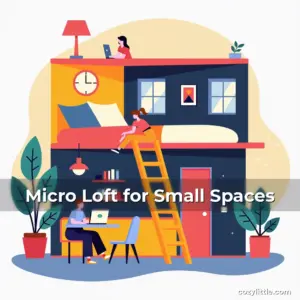
The modern trend of micro lofts offers a compelling solution for those seeking compact, functional, and aesthetically pleasing urban living spaces. These tiny homes often feature high ceilings and open floor plans, maximizing natural light while minimizing visual clutter. Designed for efficiency, micro lofts challenge conventional notions of luxury by transforming limited square footage into comfortable sanctuaries.
In today’s fast-paced world, micro lofts provide an innovative approach to housing that prioritizes simplicity without sacrificing style. Their minimalist nature encourages intentional living, focusing on essential comforts rather than excess belongings. This makes them ideal for singles, couples, or downsizers looking to simplify their lifestyle.
Understanding the Essence of Micro Lofts
Originating in densely populated cities, micro lofts emerged as a response to rising real estate costs and shrinking available land. Typically ranging from 250 to 600 square feet, these spaces blend residential and commercial aesthetics with industrial-inspired architecture. Their defining characteristic lies in the seamless integration of sleeping, cooking, and social zones within a single room.
Designers utilize strategic spatial arrangements to optimize functionality without compromising comfort. Features like built-in shelving units, retractable workstations, and convertible furniture play crucial roles in maintaining order. Open-concept layouts become particularly effective in eliminating physical barriers between different activities.
- High ceilings: Vertical expansion creates the illusion of greater space while accommodating necessary infrastructure like HVAC ductwork.
- Minimalist decor: Limiting decorative elements prevents overcrowding and maintains clean lines across surfaces.
- Multifunctional furniture: Pieces designed for dual purposes maximize utility without taking up extra footprint.
Maximizing Space in Micro Lofts
Efficient utilization of every inch becomes paramount in micro loft environments. Architects frequently incorporate ceiling-to-wall storage solutions to free up ground-level space for movement and relaxation. Custom cabinetry tailored specifically for these dimensions ensures optimal use of available volume.
Vertical stacking is another critical consideration. By elevating less-used items off the floor, residents gain additional usable area beneath storage units. This principle extends beyond mere shelving – entire rooms can be created above living areas through suspended platforms or raised flooring systems.
Strategic Layout Planning
A well-thought-out layout plan accounts for both static and dynamic aspects of daily life. Static elements refer to permanent fixtures like plumbing and electrical outlets, which must be positioned thoughtfully before implementing flexible components. Dynamic considerations involve anticipated activity patterns throughout the day.
Data shows that optimizing traffic flow reduces stress levels significantly in confined spaces. Studies indicate people experience lower cortisol levels when navigating well-designed interiors compared to chaotic ones. Incorporating circular pathways instead of linear corridors enhances fluidity without requiring excessive square footage.
Lighting Strategies for Micro Lofts
Natural illumination plays a vital role in making micro lofts feel larger than they actually are. Large windows strategically placed along long walls help distribute sunlight evenly throughout the space during daylight hours. Using sheer curtains allows controlled visibility while preserving privacy.
Artificial lighting complements natural sources by providing flexibility after sunset. Layered approaches combining overhead lights, task lamps, and accent lighting create dimensionality even in low-light conditions. Motion sensors can automatically adjust brightness based on occupancy detection.
- Solar tubes: These cylindrical devices channel direct sunlight deep into interior spaces, reducing reliance on electric lighting.
- LED strip lighting: Flexible and customizable, these can be installed behind cabinets or under countertops for subtle glow effects.
- Track lighting: Allows precise control over where light shines, directing attention toward architectural features or art displays.
Color Schemes for Micro Lofts
Selecting appropriate color palettes dramatically affects perceived spaciousness in micro lofts. Lighter hues generally enhance feelings of openness whereas darker shades can make cramped quarters seem smaller. Neutral bases allow for creative expression through accessories rather than overwhelming walls.
Monochromatic schemes maintain consistency while adding depth through varying textures. Metallic accents introduce sophistication without overpowering the space. Mirrors strategically placed opposite windows act as optical illusions, visually expanding boundaries.
- Pale greiges: Provide warmth without heaviness, perfect for transitional seasons.
- Linen whites: Offer versatility for experimenting with colorful throw pillows and blankets.
- Bone beige: Adds soft contrast against dark wood furnishings while remaining cohesive overall.
Furniture Selection Techniques
Choosing appropriately sized furnishings requires careful measurement of both horizontal and vertical clearances. Modular sofas offer flexibility in configuration depending on current needs. Selecting pieces with exposed legs helps prevent the feeling of being enclosed by oversized furniture.
Closet systems designed specifically for micro lofts often include pull-down rods for hanging garments and swing-out drawers for storing folded clothes. Some models integrate full-length mirrors that double as wardrobe doors, saving precious surface space.
- Wall-mounted desks: Eliminate bulkiness associated with traditional office setups while still providing adequate workspace.
- Ottoman beds: Serve as seating during daytime then transform into sleeping accommodations at night.
- Convertible dining sets: Fold away easily when not in use, freeing up central areas for other purposes.
Decorating Tips for Micro Lofts
Personalization remains possible despite size constraints by focusing on meaningful objects rather than quantity. Statement artworks hung vertically draw eye line upward, reinforcing height perceptions. Plants contribute vitality without consuming much space, especially trailing varieties that cascade from elevated positions.
Textured fabrics like chunky knit throws or woven baskets add tactile interest without relying solely on visual cues. Floor coverings made from recycled materials promote sustainability while offering cushioning benefits. Functional decor items such as magnetic knife blocks combine usefulness with aesthetic value.
- Gallery walls: Curated collections of photographs and prints create focal points without crowding surfaces.
- Dry erase boards: Serve multiple functions including meal planning, calendars, and creative brainstorming sessions.
- Indoor herb gardens: Provide fresh ingredients while doubling as decorative planters with edible potential.
Integrating Smart Technology
Modern micro lofts benefit greatly from integrating intelligent home automation systems. Voice-controlled assistants manage lighting schedules, thermostat settings, and entertainment selections remotely. Automated window treatments respond to environmental changes ensuring optimal indoor climate regulation.
Security systems featuring motion detectors and camera feeds give peace of mind without demanding significant installation space. Internet-connected appliances enable remote monitoring of energy usage patterns, helping identify opportunities for conservation improvements.
- Smart thermostats: Learn occupant preferences over time to adjust temperatures efficiently.
- Voice-activated speakers: Stream music, set reminders, or check weather forecasts hands-free.
- Automated blinds: Adjust opacity levels according to outdoor light intensity automatically.
Cost-Effective Upgrades
Renovations don’t always require substantial financial investment; many enhancements can be achieved inexpensively. Repurposing existing furniture through refinishing or reupholstering gives new life to old pieces. DIY projects involving paint, wallpaper, or simple hardware replacements breathe freshness into tired interiors.
Shopping secondhand markets yields unique finds at fraction of retail prices. Thrift stores and online marketplaces host numerous quality items waiting to be discovered. Fabric remnants purchased cheaply at fabric shops prove invaluable for making custom cushions or draperies.
- Paint sprayers: Accelerate painting tasks allowing completion of large areas quickly and cleanly.
- DIY floating shelves: Constructed from reclaimed wood, these provide extra display space with minimal effort.
- Modular shelving systems: Allow customization according to changing storage requirements without permanent alterations.
Maintaining Order
Regular maintenance keeps micro lofts functioning smoothly without becoming stressful battlegrounds. Establishing consistent cleaning routines helps prevent buildup of dust and grime in hard-to-reach places. Weekly tidying sessions ensure everything returns to designated spots promptly.
Implementing compartmentalized storage methods facilitates quick access to necessities. Labeling containers simplifies inventory management while promoting mindful consumption habits. Rotating seasonal items out of view maintains year-round usability without visual overload.
- Laundry bins: Separate laundry loads by type to streamline sorting processes later.
- Magnetic spice racks: Free up cabinet space inside kitchenettes by displaying seasonings externally.
- Rolling carts: Enable easy transportation of supplies between different zones within the unit.
Conclusion
Micro lofts represent an exciting evolution in contemporary living solutions that prioritize function alongside form. Through thoughtful planning and resourceful implementation, these compact spaces achieve remarkable livability standards. Understanding their unique characteristics empowers occupants to make informed decisions regarding renovations and daily upkeep.
Ultimately, successful micro loft living hinges upon embracing limitations creatively rather than viewing them as restrictions. With imagination and intentionality, even the smallest apartments can become vibrant expressions of individual identity and lifestyle preferences.

news is a contributor at CozyLittle.com. We are committed to providing well-researched, accurate, and valuable content to our readers.