
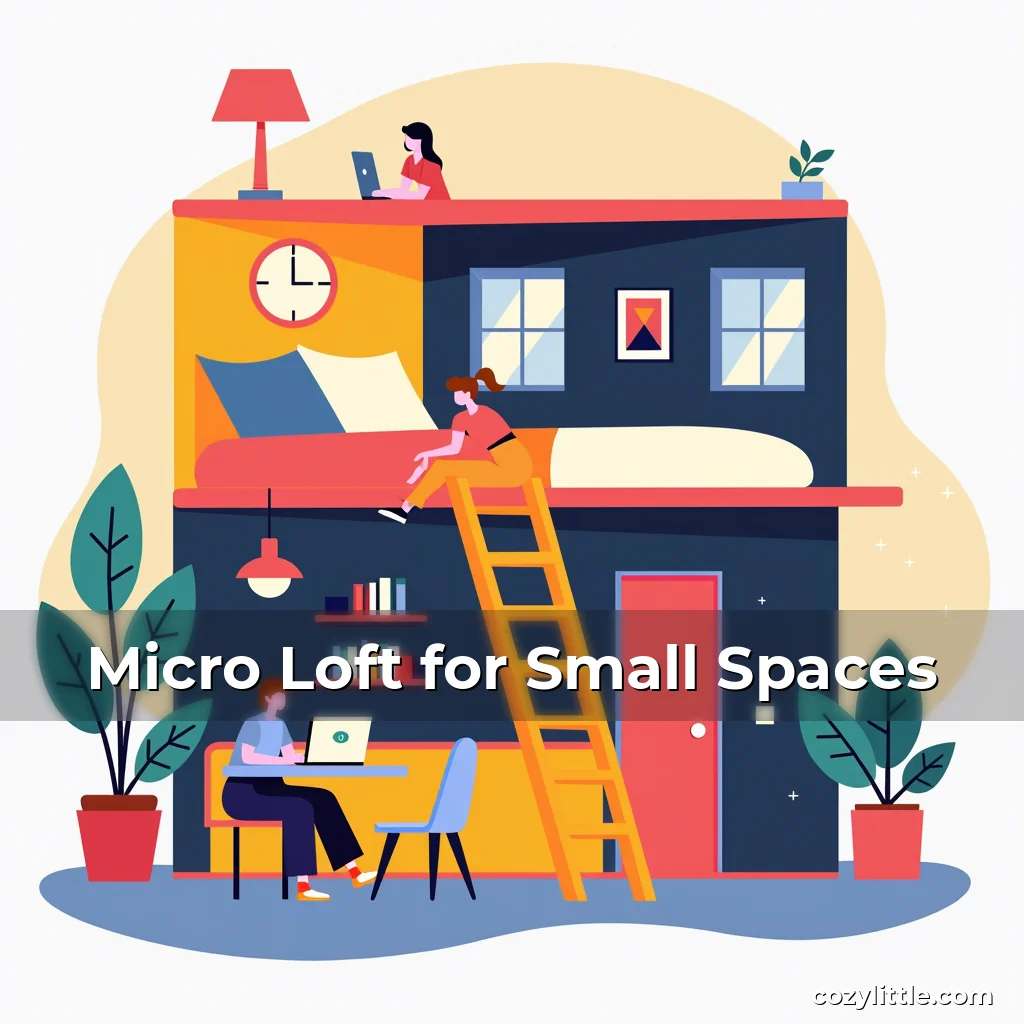
The Art of Living Large in Micro Lofts: Maximizing Space Without Compromising Style
In an era where urban living is becoming increasingly expensive and space is at a premium, micro lofts have emerged as a revolutionary housing solution that redefines what’s possible within compact environments.
This innovative approach to small-space living combines architectural ingenuity with smart design principles to create functional, stylish, and surprisingly comfortable living areas typically ranging between 200 to 600 square feet.
Understanding the Essence of Micro Loft Design
A micro loft is more than just a tiny apartment; it represents a lifestyle choice centered around efficiency, minimalism, and creative problem-solving.
These spaces often feature open-concept layouts that eliminate traditional room divisions, allowing natural light to flow freely while maximizing visual space.
Architects and interior designers working with micro lofts prioritize multi-functional furniture solutions that serve dual purposes without sacrificing aesthetic appeal.
- Murphy beds transform sleeping quarters into office workstations during the day
- Fold-out sofas become guest beds when needed, maintaining seamless floor plan continuity
- Built-in storage systems
- Vertical shelving units utilize height rather than horizontal space expansion
Smart Spatial Planning Strategies
Successful micro loft interiors rely heavily on strategic spatial organization that considers both practical needs and psychological comfort factors.
Designers employ techniques such as zoning – dividing space through color changes, lighting variations, or flooring materials – to create distinct functional areas within single-room settings.
Zoning Techniques for Functional Separation
Color blocking can visually separate dining from living areas by using contrasting paint hues along walls or ceilings.
Lighting differences are another powerful tool; task lighting over kitchen countertops contrasts with ambient lighting in seating zones.
Floor material transitions help define spaces too – polished concrete next to carpeted areas creates clear boundaries.
Maximizing Natural Light and Ventilation
Natural illumination plays a crucial role in making micro lofts feel larger and more inviting.
Large windows strategically placed across multiple sides allow cross-ventilation which improves air quality and reduces cooling costs significantly.
Interior architects often incorporate translucent window treatments that filter sunlight while preserving privacy.
Reflective surfaces on floors, walls, and furniture help bounce available light deeper into the space.
Multi-Functional Furniture Solutions
The cornerstone of any successful micro loft is its ability to make every piece of furniture serve multiple functions simultaneously.
Sofas with built-in storage compartments double as seating and provide hidden closet space for seasonal items.
Dining tables equipped with extendable leaves adapt easily to different group sizes and occasions.
Kitchen islands featuring pull-out drawers convert into additional workspace or food preparation areas as needed.
Creative Storage Solutions
Efficient storage management becomes absolutely critical in micro loft environments where square footage is limited but personal belongings remain abundant.
Wall-mounted shelves arranged vertically free up precious floor space while displaying decorative items effectively.
Overhead cabinets above appliances maximize unused ceiling area for storing rarely accessed supplies.
Pull-down pantry systems offer convenient access to dry goods without taking up permanent countertop real estate.
Personalization Through Decor Choices
While functionality is essential, micro lofts also offer incredible opportunities for creative expression through thoughtful decor selections.
Selecting neutral base colors allows for easier maintenance while providing a versatile backdrop for changing accents.
Statement pieces like oversized art installations or bold patterned textiles add personality without overwhelming the space.
Layered lighting combinations create dynamic moods suitable for various activities throughout the day.
Technological Integration in Modern Micro Lofts
Advanced technology integration enhances convenience and safety in micro loft living arrangements.
Smart home systems control lighting, temperature, and security features remotely via smartphone applications.
Wireless charging stations incorporated into furniture reduce clutter from cords and power adapters.
Hidden wiring solutions maintain clean aesthetics while supporting necessary electrical infrastructure.
Health Considerations in Compact Living Environments
Living in confined spaces requires special attention to health aspects that might be overlooked in larger homes.
Ventilation systems must be carefully designed to ensure adequate airflow circulation preventing indoor air pollution buildup.
Acoustic treatments address sound amplification issues common in smaller rooms through specialized wall panelings.
Non-toxic building materials contribute positively towards long-term respiratory wellness inside micro lofts.
Financial Advantages of Choosing a Micro Loft
Opting for a micro loft residence presents significant financial benefits compared to conventional housing options.
Renting or purchasing property in densely populated cities becomes much more affordable due to reduced square footage requirements.
Lower utility bills result from efficient energy usage patterns inherent in well-designed micro lofts.
Maintenance costs decrease substantially since there’s less surface area requiring regular upkeep.
Community Building Opportunities Within Micro Loft Complexes
Modern micro loft developments intentionally foster social connections among residents through shared amenities and communal spaces.
Common areas include rooftop lounges, co-working hubs, and fitness centers encouraging interaction beyond private residences.
Organized events hosted regularly promote neighbor relationships and build supportive local networks.
Shared resources like laundry facilities or recreational equipment reduce individual ownership burdens.
Environmental Sustainability Aspects
Micro lofts naturally support eco-friendly living practices through their inherently resource-efficient designs.
Reduced construction waste occurs because fewer materials are required for smaller structures.
Proximity to public transportation minimizes reliance on personal vehicles lowering overall carbon footprints.
Energy conservation measures implemented standardly in these dwellings align perfectly with green building standards.
Challenges and Mitigation Strategies
Despite numerous advantages, potential occupants should consider challenges associated with micro loft lifestyles before committing fully.
Noise transmission between adjacent units necessitates careful acoustic insulation during initial construction phases.
Storage limitations require meticulous organization strategies involving both vertical utilization and multifunctional furniture choices.
Privacy concerns arise from proximity to neighbors demanding thoughtful placement of partitions or screens where applicable.
Future Trends in Micro Loft Development
Ongoing advancements continue shaping the evolution of micro loft architecture toward even greater innovation levels.
Modular construction methods enable customizable living configurations tailored precisely to occupant preferences.
Integration of renewable energy sources like solar panels now commonly appears in new development projects.
Advancements in smart glass technologies promise adaptable transparency controls for windows enhancing flexibility further.
Conclusion
Micro lofts represent a compelling alternative for those seeking cost-effective, environmentally friendly, and highly personalized living experiences within urban settings.
By embracing intelligent design principles and leveraging technological innovations appropriately, individuals can achieve remarkable living conditions despite physical constraints imposed by limited space availability.

news is a contributor at CozyLittle.com. We are committed to providing well-researched, accurate, and valuable content to our readers.