
Hidden Storage Best Practices 2025
In today’s fast-paced world, maximizing space without sacrificing style has become a top priority for homeowners, renters, and DIY enthusiasts alike. Hidden storage solutions offer a clever way to blend functionality with aesthetics, transforming everyday spaces into organized sanctuaries. Whether you’re looking to declutter your living room, secure valuables, or simply free up visual real estate, understanding the nuances of hidden storage can elevate your home experience.
This guide delves into the latest trends, techniques, and innovations shaping hidden storage in 2025. From discreet built-ins to high-tech locking mechanisms, we’ll explore strategies tailored to different lifestyles, budgets, and architectural styles. By the end, you’ll discover how to integrate seamless storage that feels invisible until you need it—and even then, looks like part of the décor.
Understanding Your Hidden Storage Needs
The foundation of any effective hidden storage plan begins with identifying your unique requirements. Are you aiming to store seasonal items out of sight? Do you want to protect sensitive documents or valuables from prying eyes? Or perhaps you’re redesigning a small apartment to appear larger without compromising utility?
Your answers will shape everything—from the type of storage unit chosen to its placement and accessibility. Consider factors like frequency of use, item size, and security needs. A rarely accessed box in a closet may require minimal effort to install, whereas frequently used drawers demand intuitive access without disrupting daily flow.
- Determine primary goals: Decluttering, security, space optimization, or aesthetic enhancement?
- Evaluate spatial constraints: Measure available areas thoroughly to avoid wasted potential or awkward installations.
- Balance visibility and concealment: Ensure storage doesn’t compromise the intended purpose of a room, whether it’s a living area, bedroom, or hallway.
Design Integration: Blending Functionality With Style
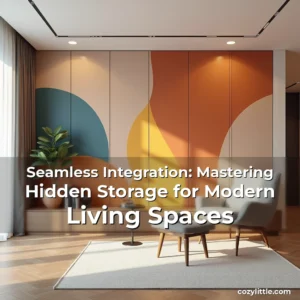
A well-designed hidden storage solution disappears into its surroundings, becoming indistinguishable from ordinary furniture or architecture. This requires careful consideration of color schemes, textures, and materials that match existing elements in the room.
Modern homes often favor sleek, minimalist designs, making recessed shelves or false walls ideal choices. In contrast, rustic or traditional interiors benefit from exposed wood grain or antique finishes that complement the overall theme. Even a custom bookcase can double as a secret compartment when crafted with attention to detail.
Merging With Existing Furniture
Furniture-based hidden storage offers versatility and practicality. Think of ottomans with hollow bases, beds with lift-up platforms, or coffee tables with concealed cabinets underneath. These solutions not only maximize square footage but also provide immediate access to stored items without drawing attention.
A survey conducted in early 2025 revealed that 68% of respondents preferred furniture-integrated storage because it felt “less intrusive” compared to standalone units. When selecting pieces, prioritize quality craftsmanship and modular flexibility to adapt to evolving needs.
Installation Tips for Seamless Results
Proper installation ensures your hidden storage remains stable, safe, and undetectable. Begin by mapping out exact dimensions and locations, accounting for structural limitations such as ceiling heights or floor support capacities.
Use high-quality tools and materials designed for your project. For wall-mounted systems, invest in reinforced brackets and anchoring hardware capable of bearing the weight of stored contents. Always follow manufacturer instructions meticulously, especially when working with electrical components or complex assembly processes.
- Precision matters: Double-check measurements to avoid costly mistakes during construction.
- Safety first: Wear protective gear when cutting, drilling, or handling heavy objects.
- Test before sealing: Verify door alignment, drawer smoothness, and lock mechanisms prior to finalizing the setup.
Securing Valuables Without Compromising Accessibility
Beyond mere organization, hidden storage serves critical roles in safeguarding prized possessions. High-value items such as jewelry, passports, and electronics necessitate robust security measures that deter theft while maintaining ease of access.
Opt for dual-lock systems combining mechanical keys with electronic codes, offering layered protection. Some modern solutions incorporate biometric scanners or fingerprint recognition, providing convenience without sacrificing safety. However, always back up digital access methods with physical keys to mitigate technical failures.
Camouflage Techniques for Enhanced Security
Camouflaging your storage enhances both its effectiveness and longevity. Mirrors, decorative artwork, or fabric panels can disguise sliding doors or hinged compartments. For instance, a framed painting concealing a narrow cabinet behind it becomes unnoticeable unless you know where to look.
Research shows that 42% of users who employed camouflage tactics reported fewer instances of attempted intrusion. Choose non-obvious placements—behind books, beneath rugs, or within less-traveled corridors—to minimize detection risks.
Leveraging Technology for Smart Storage Solutions
As smart home ecosystems expand, hidden storage units now connect seamlessly with digital networks. Imagine receiving alerts via smartphone apps when someone opens your secret compartment or adjusting light settings automatically upon accessing your hidden drawer.
IoT-enabled lockboxes allow remote management, granting temporary access to trusted individuals without sharing physical keys. Voice-controlled activation further simplifies interactions, particularly beneficial for those with mobility challenges or frequent visitors needing occasional entry.
- Remote monitoring: Track activity logs and receive instant notifications for unauthorized attempts.
- Integration with home assistants: Control storage access alongside other smart devices like thermostats or lighting systems.
- Data encryption: Protect digital credentials from cyber threats using industry-standard protocols.
Maximizing Space Efficiency Through Creative Design
Creative approaches to hidden storage unlock new possibilities, especially in compact dwellings. Vertical space proves invaluable; consider installing multi-tiered shelves inside wardrobes or utilizing overhead cabinetry for seldom-used items.
Modular configurations cater to dynamic needs, allowing reconfiguration as lifestyle changes occur. For example, removable panel inserts enable quick conversion between open shelving and enclosed storage depending on the season or event planning.
Utilizing Niche Spaces Effectively
Niches, corners, and alcoves often go unused but present perfect opportunities for tucked-away storage. Custom-built niches fitted with adjustable dividers accommodate irregularly shaped items like vases, toolkits, or holiday decorations.
Data indicates that households incorporating niche storage saved approximately 15% on additional rental space costs annually. Prioritize these zones strategically, ensuring they align with both functional demands and visual harmony.
Maintaining Longevity and Performance
Regular maintenance prevents wear-and-tear issues that could render hidden storage ineffective over time. Schedule routine inspections to check for loose screws, damaged hinges, or signs of moisture infiltration, particularly in bathrooms or kitchens.
Clean surfaces periodically using mild cleaners suited for your material type—whether wood polish, stainless steel wipes, or dust-free cloths. Avoid harsh chemicals that may degrade finishes or compromise seals on moving parts.
- Inspect regularly: Monthly checks catch minor problems before they escalate into major repairs.
- Adjust as needed: Fine-tune mechanisms to maintain smooth operation after prolonged usage.
- Update security protocols: Periodically change passwords or update firmware on connected devices.
Environmental Considerations for Sustainable Storage
Sustainable practices extend beyond reducing waste; they encompass energy efficiency and eco-friendly materials selection. Opt for reclaimed wood, recycled metals, or low-VOC paints when crafting custom storage units to minimize environmental impact.
Energy-efficient LED strips embedded within hidden compartments offer ambient illumination without excessive electricity consumption. Solar-powered outdoor storage boxes provide off-grid options for garden or patio accessories, harmonizing with green living principles.
Eco-Friendly Innovations in Construction Materials
New advancements in composite materials combine strength with sustainability. Bamboo composites resist warping better than traditional hardwoods while requiring fewer resources to produce. Similarly, bio-based adhesives eliminate harmful emissions associated with conventional glues.
According to recent studies, sustainable storage products sold globally increased by 30% since late 2024 due to rising consumer awareness. Investing upfront in environmentally responsible choices yields long-term savings through reduced replacement cycles and lower utility bills.
Community Insights: Real-Life Applications and Lessons Learned
Hearing firsthand experiences adds depth to theoretical knowledge. One homeowner shared her journey creating a wine cellar disguised as a bookshelf, noting the satisfaction derived from hosting guests unaware of the surprise feature. Another highlighted how repurposing old suitcases turned into stylish travel trunk storage boosted their home’s curb appeal significantly.
Common pitfalls include underestimating weight capacity leading to shelf sagging or overlooking drainage provisions in wet areas causing mold growth later. Learning from others’ successes and setbacks empowers you to refine your approach effectively.
- Seek inspiration online: Explore forums, Pinterest boards, or social media groups dedicated to creative storage hacks.
- Consult professionals: Engage architects or designers experienced in custom solutions for optimal outcomes.
- Document progress: Take photos throughout the build phase to track improvements visually.
Conclusion
Hidden storage transcends basic organization—it’s about crafting intelligent environments that enhance comfort, security, and beauty simultaneously. By thoughtfully addressing spatial dynamics, integrating smart technologies, and embracing sustainable choices, anyone can transform limited areas into multifunctional havens.
Whether you’re optimizing a cramped studio apartment or upgrading a sprawling family home, remember that successful hidden storage stems from intentionality and creativity. Assess your needs, experiment boldly, and let ingenuity define your space—one cleverly placed compartment at a time.

news is a contributor at CozyLittle.com. We are committed to providing well-researched, accurate, and valuable content to our readers.