
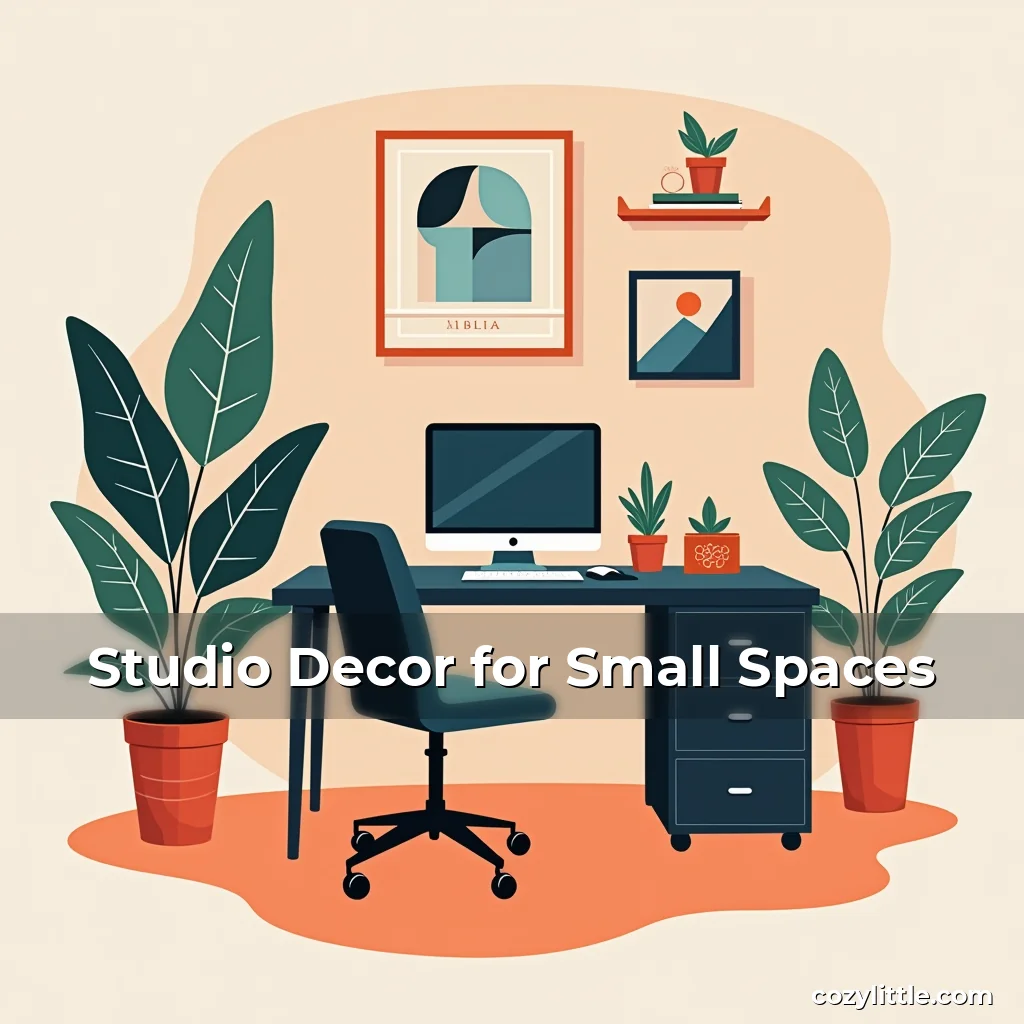
Studio Decor for Small Spaces
In an era where urban living is increasingly common, studio apartments have become a popular choice for city dwellers seeking affordability and convenience. These compact spaces, while efficient, often pose design challenges that require creative solutions. Studio decor focuses on maximizing every inch of space without sacrificing style or comfort.
The key to successful studio decor lies in thoughtful planning and multifunctional furniture. By incorporating smart storage solutions and versatile pieces, you can transform even the smallest room into a stylish sanctuary that meets both practical needs and aesthetic desires.
The Art of Space Optimization
A well-designed studio apartment begins with understanding how to make the most of limited square footage. This involves assessing the layout of your space and identifying areas that could be repurposed for different functions. A bedroom might double as a home office during the day and convert back at night, thanks to clever furniture choices.
Vertical space is particularly valuable in studios. Installing shelves along walls or using wall-mounted desks helps reduce clutter by keeping items off the floor. Additionally, choosing furniture with built-in storage compartments ensures that essentials are always within reach but out of sight when not in use.
Multifunctional Furniture: The cornerstone of effective studio decorating is selecting furniture that serves multiple purposes. For instance, a sofa bed offers seating during the day and converts into a comfortable sleeping area at night. Similarly, coffee tables with lift-top surfaces provide extra workspace when needed.
Storage Solutions: Utilizing under-bed storage containers allows you to store seasonal clothing, bedding, or rarely used items. Over-the-door organizers help maximize closet space, providing additional spots for accessories, shoes, or small household supplies.
- Furniture with hidden compartments keeps personal items secure and organized.
- Wall-mounted foldable desks save precious floor space while offering flexibility for workspaces.
- Built-in shelving units add visual interest and functional storage options around the perimeter of the room.
- Dual-purpose appliances, such as combination microwave ovens or refrigerators with freezers, optimize kitchen efficiency.
Color Psychology and Lighting Strategies
The right color palette plays a crucial role in making a studio feel larger and more inviting. Light colors reflect natural light better than darker shades, creating an illusion of spaciousness. Soft pastels or neutral tones enhance brightness without overwhelming the senses.
Lighting strategies also significantly impact perception of size. Layered lighting—combining ambient, task, and accent lights—adds depth and dimension to a studio. Recessed ceiling lights offer even illumination, while pendant lights over dining areas
In an era where urban living is increasingly common, studio apartments have become a popular choice for city dwellers seeking affordability and convenience. These compact spaces, while efficient, often pose design challenges that require creative solutions. Studio decor focuses on maximizing every inch of space without sacrificing style or comfort. The key to successful studio decor lies in thoughtful planning and multifunctional furniture. By incorporating smart storage solutions and versatile pieces, you can transform even the smallest room into a stylish sanctuary that meets both practical needs and aesthetic desires. A well-designed studio apartment begins with understanding how to make the most of limited square footage. This involves assessing the layout of your space and identifying areas that could be repurposed for different functions. A bedroom might double as a home office during the day and convert back at night, thanks to clever furniture choices. Vertical space is particularly valuable in studios. Installing shelves along walls or using wall-mounted desks helps reduce clutter by keeping items off the floor. Additionally, choosing furniture with built-in storage compartments ensures that essentials are always within reach but out of sight when not in use. Multifunctional Furniture: The cornerstone of effective studio decorating is selecting furniture that serves multiple purposes. For instance, a sofa bed offers seating during the day and converts into a comfortable sleeping area at night. Similarly, coffee tables with lift-top surfaces provide extra workspace when needed. Storage Solutions: Utilizing under-bed storage containers allows you to store seasonal clothing, bedding, or rarely used items. Over-the-door organizers help maximize closet space, providing additional spots for accessories, shoes, or small household supplies. The right color palette plays a crucial role in making a studio feel larger and more inviting. Light colors reflect natural light better than darker shades, creating an illusion of spaciousness. Soft pastels or neutral tones enhance brightness without overwhelming the senses. Lighting strategies also significantly impact perception of size. Layered lighting—combining ambient, task, and accent lights—adds depth and dimension to a studio. Recessed ceiling lights offer even illumination, while pendant lights over dining areas create focal points. Natural Light Maximization: Large windows allow abundant daylight to enter, reducing reliance on artificial lighting. Using sheer curtains instead of heavy drapes lets in more sunlight while maintaining privacy. Mirrors placed strategically near windows can amplify natural light further. Artificial Lighting Choices: LED strip lights installed beneath cabinets or behind shelves cast soft glow, adding warmth to cold interiors. Table lamps with adjustable arms enable focused reading or working light without overpowering other sources. Smart Lighting Technology: Integrating smart bulbs that adjust their intensity based on time-of-day settings creates dynamic environments tailored to activities—from bright mornings suited for productivity tasks down to dim evenings ideal for relaxation. Creating Visual Depth Through Color Contrast: Contrasting hues between walls and flooring materials trick the eye into seeing longer distances. Combining dark floors with lighter walls tricks viewers into believing there’s more open space available visually. Designing a functional layout starts by considering traffic flow and zoning within the studio. Clear pathways ensure ease of movement across the room, preventing congestion caused by cramped corridors or awkwardly arranged furniture clusters. Zoning techniques divide a single space into distinct areas using furniture placement alone rather than physical barriers. This approach maintains openness while defining separate regions like sleeping quarters, eating zones, and recreational corners. Furniture Arrangement Tips: Arrange seating facing each other to encourage conversation yet maintain separation from other zones. Position beds away from entrances so they don’t block pathways leading towards bathrooms or kitchens. Kitchen Island Integration: If possible, incorporate a small kitchen island which doubles as prep area and casual dining spot simultaneously. It adds definition to cooking spaces without consuming too much real estate. Use Area Rugs to Define Zones: Placing rugs under specific groupings of furniture marks boundaries naturally; for example placing one under living area furnishings versus another solely beneath bed linens. Open Shelving vs Closed Cabinet Storage: Open shelving provides easy access to frequently used items while displaying decorative elements openly. However, closed cabinet doors hide messes effectively especially useful for storing less attractive objects neatly tucked away inside cupboards. Tapestries, throw blankets, and cushions introduce texture variation essential for rich interior aesthetics. They contribute not only through color addition but also via tactile experience enhancing overall ambiance quality experienced daily. Choosing textiles wisely enhances mood creation capabilities uniquely tied to individual tastes preferences regarding patterns styles fabric types chosen deliberately to match overall theme established earlier stages décor development process. Cushion Selection Criteria: Opt for removable covers allowing easier cleaning maintenance routines. Select fabrics resistant against spills stains ensuring longevity despite frequent usage exposure potential damages. Rug Placement Guidelines: Avoid oversized mats that consume significant ground coverage unnecessarily. Instead select appropriately scaled versions matching proportions defined by existing furniture setups already positioned throughout primary living area segments. Vintage Finds Bring Character: Incorporating antique mirrors vintage clocks retro posters introduces history nostalgia character boosting uniqueness factor distinguishing ordinary modern designs transformed distinctive identities worthy admiration appreciation. Personalized Wall Art Displays: Hang photographs memories collections art pieces reflecting personality traits values cherished relationships shared experiences forming emotional connections strengthening sense belonging ownership feelings toward living environment inhabited regularly. Sustainable materials play vital roles contributing positively environmental sustainability efforts undertaken globally today concerning climate change mitigation strategies pursued collectively communities worldwide striving balance human habitation nature conservation goals. Prioritizing eco-conscious products reduces carbon footprints associated manufacturing processes involved producing conventional alternatives commonly found retail outlets selling standard consumer goods. Bamboo Flooring Benefits: Naturally renewable resource bamboo grows rapidly regenerates quickly compared slower growing hardwood counterparts traditionally favored flooring applications. Its durability strength makes excellent candidate replacing traditional wooden planks worn damaged over extended periods. Recycled Glass Countertops: Upcycled glass countertops made from post-consumer waste repurposed stylishly serving dual purposes aesthetic enhancement ecological responsibility promotion simultaneously achieved successfully executed projects embracing green initiatives actively pursuing energy saving measures. Low-VOC Paint Formulations: Choosing low volatile organic compound emitting paints minimizes indoor air pollution levels harmful effects long term health implications linked prolonged inhalation chemical residues trapped enclosed spaces without adequate ventilation systems. Organic Cotton Bedding Fabrics: Switching regular cotton sheets organic varieties supports ethical farming practices fair labor conditions protects skin sensitivities individuals prone allergies irritations triggered synthetic fibers inherently containing toxic additives potentially causing adverse reactions upon direct contact. Modern technology integration requires careful consideration balancing functionality beauty seamlessly combined together achieving harmonious coexistence enhancing everyday life experiences efficiently. Hiding wires cables behind panels inside walls ceilings prevents unsightly tangles disorderly appearances detracting attractiveness otherwise elegant interiors designed thoughtfully integrated components. Smart Thermostat Installation: Programmable thermostats regulate temperature automatically adjusting heating cooling according schedule preferences optimizing energy consumption reducing utility bills substantially lowering monthly expenditures related climate control management. Wireless Charging Stations: Implementing wireless charging pads enables convenient device recharging eliminating need tangled cords plugged various sockets located conveniently accessible locations promoting cord-free lifestyles minimizing hazards tripping falling due misplaced electrical leads. Integrated Smart Speakers: Voice-controlled assistants provide hands-free operation controlling music playback setting reminders managing calendars simplifying daily routines increasing accessibility convenience factors integral contemporary living standards. Hidden Cable Management Systems: Concealing excess cabling utilizing retractable trays channels mounted discreetly along baseboard edges eliminates visual distractions created exposed wirings hanging loosely unsecured. Each person possesses unique characteristics shaping perspectives influencing decisions regarding preferred lifestyle choices reflected ultimately finished product outcome resulting final appearance achieved through collaborative effort combining personal input professional expertise. Engaging professionals specialized interior designers offers advantage gaining insight innovative ideas solutions addressing complex problems arising unexpectedly encountered unexpected obstacles requiring expert guidance resolving effectively. DIY Projects Adding Personal Touch: Undertaking simple do-it-yourself endeavors enhances satisfaction derived completion tasks accomplished independently fostering pride accomplishment visible tangible results appreciating efforts invested realizing outcomes achieved manually. Collectibles Display Cases: Curating curated selections memorabilia artifacts showcases passions interests hobbies cultivated overtime showcasing stories backgrounds originating diverse cultures geographical regions visited explored throughout lifetime journey. Theme-Based Interior Concepts: Establishing cohesive themes unify disparate elements transforming singular rooms multi-dimensional narratives unfolding sequentially throughout exploration paths taken discovering hidden meanings embedded intentionally woven throughout entire composition. Statement Pieces Making Impact: Featuring bold artistic expressions provoke curiosity stimulate engagement prompting conversations sparking dialogues sharing knowledge exchanging opinions building bridges connecting people across differences fostering mutual respect understanding. Transforming a studio apartment into a beautiful, functional living space requires creativity, strategic planning, and attention to detail. With the right approach, even the smallest studio can be optimized to meet all your needs while reflecting your personal style. By applying these principles of space optimization, thoughtful design, and personalized touches, you’ll enjoy a cozy yet sophisticated environment that feels expansive and welcoming. Embrace the challenge of studio decor and discover new ways to express yourself within confined spaces.Studio Decor for Small Spaces
The Art of Space Optimization
Color Psychology and Lighting Strategies
Functional Layouts for Maximum Comfort
Textiles & Accessories That Add Personality
Eco-Friendly Options Enhancing Sustainability Goals
Technology Integration Without Compromising Style
Customizing Your Unique Space Reflecting Individuality
Conclusion

news is a contributor at CozyLittle.com. We are committed to providing well-researched, accurate, and valuable content to our readers.