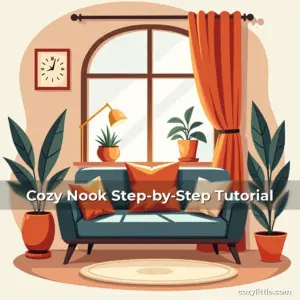

The Ultimate Sanctuary: Crafting Your Personalized Cozy Nook Haven
In an era dominated by digital screens and fast-paced living, the concept of a cozy nook has transcended from mere comfort to essential self-care. This intimate personal space serves as a refuge where individuals can unwind, recharge, and reconnect with themselves.
A well-designed cozy nook is not just about aesthetics; it’s a deliberate fusion of ergonomics, sensory experiences, and psychological comfort that fosters deep relaxation and productivity when needed. The right combination of elements transforms any corner of your home into a sanctuary tailored precisely to your needs.
The Science Behind Serenity: Understanding Comfort Psychology
Modern research reveals fascinating insights about how our environments shape our mental states. Studies show that warm lighting, soft textures, and natural materials significantly reduce stress hormones while promoting feelings of safety and tranquility.
Architectural psychology emphasizes the importance of spatial boundaries in creating zones of calm. A designated area with consistent visual cues helps signal to the brain that it’s time to relax and disconnect from external pressures.
Cognitive scientists have identified three key environmental factors that contribute to perceived comfort:
- Thermal regulation: Maintaining optimal room temperature between 68-72°F (20-22°C) enhances both physical comfort and cognitive performance.
- Acoustic modulation: Incorporating sound-absorbing materials reduces background noise pollution by up to 90%, improving concentration and sleep quality.
- Vestibular stimulation: Strategic placement of objects at varying heights activates the body’s balance system, subconsciously reinforcing the sense of security within the space.
These principles form the foundation for designing a functional yet comforting nook that adapts to various moods and activities without sacrificing practicality.
Ergonomic Foundations: Building a Functionally Comfortable Space
Creating an ergonomic environment requires careful consideration of human biomechanics. Proper posture support through adjustable furniture selections prevents long-term musculoskeletal issues while maximizing comfort during extended use.
Furniture selection plays a crucial role in maintaining health. Chairs with lumbar support and reclining capabilities offer versatility for reading, working, or resting. Desks at appropriate height levels ensure correct arm positioning and wrist alignment.
Lighting design deserves special attention due to its dual impact on both mood and vision health. Natural daylight exposure regulates circadian rhythms, while task lighting minimizes eye strain during focused work sessions.
Smart integration of technology enhances functionality without compromising serenity. Voice-controlled systems allow hands-free operation of lights, music, and climate controls, preserving the peaceful atmosphere.
Textured Harmony: Curating a Multi-Sensory Experience
Tactile sensations greatly influence emotional well-being. Soft textiles like sheepskin throws and velvet cushions create an inviting tactile experience that promotes relaxation and warmth perception.
Spatial layering techniques add depth and dimensionality to small spaces. Using rugs, curtains, and decorative pillows creates a cohesive look while enhancing acoustical properties through fabric absorption.
Mixing different textures stimulates neural pathways associated with pleasure and satisfaction. Combining smooth surfaces with coarse materials introduces dynamic sensory engagement within the confined area.
The strategic use of scented candles and essential oil diffusers engages olfactory senses to enhance mood regulation. Lavender aromas promote calmness while citrus notes energize the mind and body.
Nature Integration: Bringing the Outdoors In
Biomimicry principles suggest that incorporating natural elements improves overall wellness. Houseplants purify air while adding vibrancy and life to indoor spaces through photosynthesis processes.
Studies indicate that viewing nature scenes increases attention span by 20% compared to urban landscapes. Digital displays featuring calming scenery serve as effective substitutes when real plants aren’t feasible.
Wooden furnishings introduce organic warmth and texture that mimic outdoor environments. Reclaimed wood pieces carry historical narratives that enrich the space’s character and authenticity.
Introducing water features such as tabletop fountains or fish tanks creates soothing auditory stimuli known to lower blood pressure by approximately 5%. These elements encourage mindfulness practices through their meditative qualities.
Personalization Dimensions: Making It Truly Yours
Authentic personal expression defines a successful cozy nook. Displaying cherished memorabilia, artwork collections, or handmade crafts adds narrative depth to the space beyond superficial decor.
Color theory influences emotional responses based on wavelength perceptions. Warm hues stimulate energy while cool tones induce calmness, allowing customization according to individual preferences and intended usage patterns.
Incorporating interactive elements like bookshelves, journals, or hobby stations transforms passive areas into active lifestyle extensions that reflect personal interests and aspirations.
Digital decluttering strategies maintain harmony between modern connectivity and analog simplicity. Designated tech zones prevent distractions while still enabling seamless access when necessary.
Dynamic Adaptability: Evolving With Lifestyle Changes
An ideal nook should accommodate shifting priorities over time. Modular furniture solutions provide flexibility for reconfiguration as new hobbies emerge or daily routines change.
Multi-functional storage systems optimize limited square footage while maintaining aesthetic integrity. Hidden compartments and fold-out mechanisms maximize usability without cluttering the visual field.
Seasonal adjustments through fabric changes and accessory swaps sustain novelty while respecting budget constraints. Lightweight covers and removable cushions facilitate easy transformations across seasons.
Regular evaluation of space utilization ensures continued relevance. Tracking frequency of use and adjusting layouts accordingly maintains the space’s effectiveness in meeting evolving needs.
Community Connection: Building Shared Spaces For Well-Being
Cozy nooks foster social connection when thoughtfully designed. Creating communal seating arrangements encourages conversation flow and strengthens interpersonal bonds among residents or visitors.
Shared reading corners with diverse literature selections cultivate intellectual exchange opportunities. Themed book collections invite spontaneous discussions and idea sharing among users.
Interactive art installations transform static walls into participatory experiences that engage guests emotionally and cognitively. Collaborative projects strengthen group cohesion and creative synergy.
Group meditation spaces equipped with cushioned floor mats and ambient lighting create collective healing environments that benefit multiple participants simultaneously.
Conclusion
A thoughtfully crafted cozy nook represents more than interior decoration—it embodies intentional living choices that prioritize holistic well-being through mindful space creation.
By integrating scientific principles, ergonomic considerations, multi-sensory experiences, and personal expression, you can build a sanctuary that truly reflects your values and supports every aspect of your life journey.

news is a contributor at CozyLittle.com. We are committed to providing well-researched, accurate, and valuable content to our readers.