Custom Builtins on a Budget: Smart Strategies for CozyLittle Enthusiasts
In today’s world of fast fashion and mass-produced goods, standing out requires creativity—and sometimes, a bit of elbow grease. For members of the cozylittle community and others passionate about personal expression, custom-built furniture and accessories offer a powerful way to transform spaces into reflections of individual style.
Whether you’re revamping your living room, designing a minimalist workspace, or crafting bespoke storage solutions, custom builtins allow you to merge functionality with artistry. This guide dives deep into the world of affordable customization, offering insider tips, step-by-step strategies, and real-world inspiration to help you build pieces that fit your budget and vision perfectly.
The Power of Personalization: Why Custom Builtins Matter
Mass-market products often fall short of capturing the nuances of your lifestyle. A standard bookshelf may lack the perfect dimensions for your collection, while off-the-shelf chairs rarely match the aesthetic of your curated space. Custom builtins eliminate guesswork, letting you design exactly what you need.
This level of control extends beyond aesthetics. By tailoring measurements, materials, and features to your specific requirements, you reduce waste and maximize utility. Imagine a kitchen cabinet that fits your irregular wall layout or a desk that accommodates your ergonomic needs—both become possible with thoughtful planning.
Moreover, custom builtins foster sustainability. Rather than buying oversized or mismatched items, you create pieces designed precisely for your environment, minimizing excess consumption and promoting long-term durability.
- Eco-Friendly Impact: Tailored designs minimize material waste and encourage reuse of existing structures or components.
- Space Optimization: Measurements are adapted to available square footage, turning awkward corners into functional zones.
- Unique Style: Incorporate textures, colors, and finishes that reflect your personality rather than settling for generic options.
Getting Started: Tools, Skills, and Time Commitment
If the thought of tackling a DIY project feels daunting, know that many custom builds don’t require advanced carpentry skills. Simple projects like floating shelves, modular storage units, or decorative wall panels can be completed with basic tools and patience.
Budget-friendly toolkits typically include essentials like measuring tapes, saws, sanders, and screwdrivers. Online tutorials and local workshops provide guidance for beginners, while apps like SketchUp or Roomstyler help visualize designs before construction begins.
Time management is crucial. Allocate realistic hours based on complexity—simple shelving might take a weekend, whereas larger installations could span weeks. Breaking tasks into smaller steps prevents overwhelm and keeps momentum going.
Essential Skills Every Beginner Should Master
Carpentry basics such as cutting wood accurately, assembling joints securely, and applying finishes evenly form the foundation of successful builds. Practice these techniques on scrap materials before working on final projects.
Familiarity with measurement conversions, safety protocols, and material properties also proves invaluable. For instance, knowing how different woods react to humidity ensures your creations remain stable over time.
Don’t underestimate the importance of sketching plans beforehand. Even rough drafts help identify potential issues early, saving time and resources later.
Cost-Saving Hacks for Affordable Builds
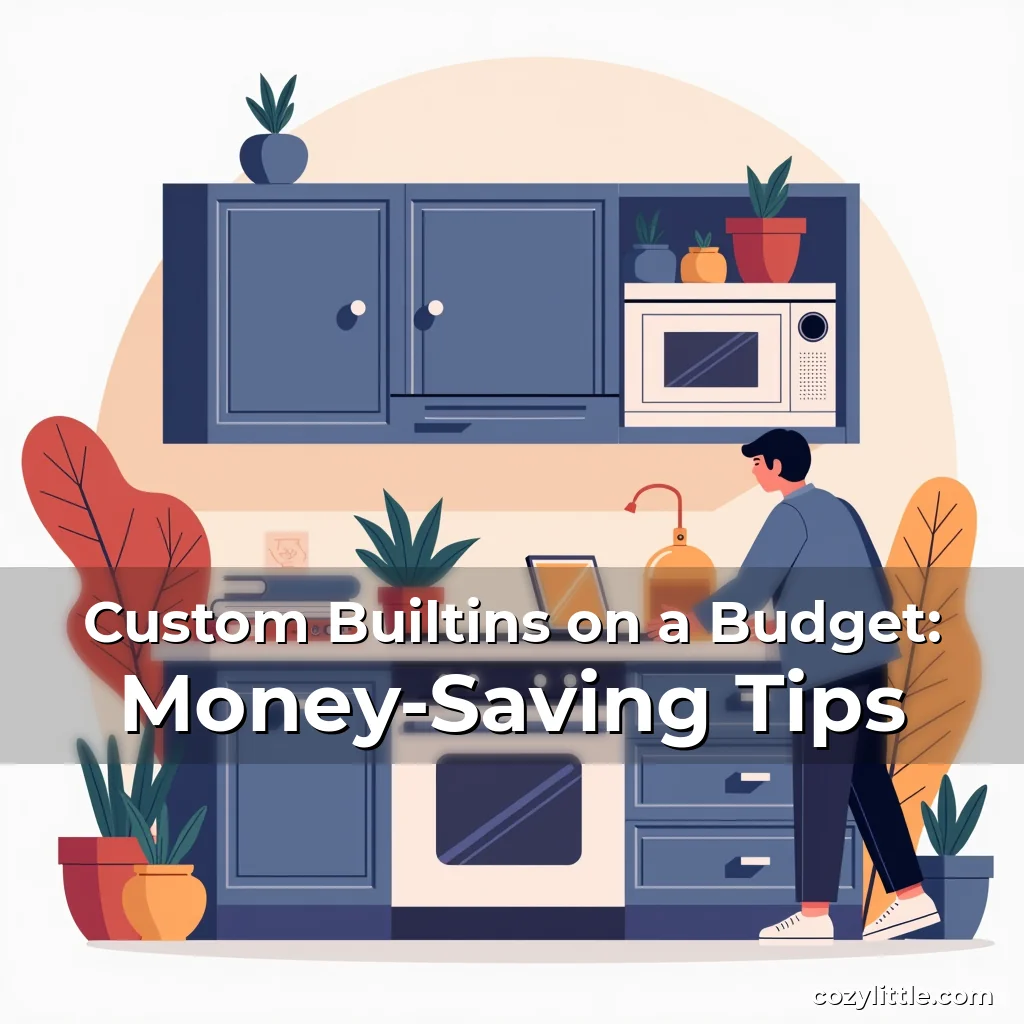
One of the biggest concerns about custom builtins is expense—but smart shopping and resourcefulness can drastically cut costs. Salvage stores, online marketplaces, and even garage sales often yield high-quality materials at fractions of retail prices.
Purchasing bulk lumber or hardware reduces unit costs significantly. Many suppliers offer discounts for larger quantities, especially during seasonal sales events like Black Friday or clearance days.
Repurposing old furniture frames or doors adds character while reducing expenses. Sanding, painting, or reupholstering these items transforms them into one-of-a-kind pieces without requiring full-scale construction.
- Leverage Free Resources: Access free templates, instructional videos, and community forums for troubleshooting and inspiration.
- Shop Locally: Hardware stores frequently carry discounted remnants or discontinued inventory at lower prices.
- Use Open Source Designs: Platforms like Instructables or Pinterest host thousands of customizable blueprints shared by other makers.
Material Selection: Balancing Quality and Affordability
The choice of materials profoundly impacts both cost and longevity. Plywood, MDF (medium-density fiberboard), and reclaimed wood strike an excellent balance between affordability and workability for most DIY projects.
Plywood offers strength and stability, ideal for cabinetry or shelf bases. MDF provides smooth surfaces perfect for painted finishes, though it lacks the durability of solid wood. Reclaimed wood, meanwhile, brings rustic charm and environmental benefits at little extra cost.
Consider the intended use of each piece. High-traffic areas benefit from sturdier materials like oak or maple, while decorative accents can utilize lighter, more economical options like pine or particle board.
Affordable Alternatives to Expensive Finishes
Paint, stain, and sealant choices can dramatically affect appearance and price. Latex paint is budget-friendly and versatile, while oil-based stains enhance natural grain patterns in wood without breaking the bank.
Instead of costly factory-finished products, opt for DIY sealing methods like polyurethane sprays or wax coatings. These protect surfaces while allowing creative experimentation with color combinations and sheen levels.
Textured finishes like chalk paint or distressing techniques add visual interest inexpensively. Layering paints or using sponges creates subtle variations that mimic handcrafted looks.
Design Principles for Functional Beauty
Aesthetics alone shouldn’t drive design decisions; usability must always take precedence. Consider ergonomics, accessibility, and maintenance ease when planning layouts. A beautifully crafted credenza won’t serve its purpose if drawers are too stiff or shelves are unreachable.
Modularity enhances adaptability. Floating shelves with adjustable brackets or stackable bins let you rearrange configurations easily as needs change over time. This flexibility proves especially useful in evolving living spaces.
Lighting integration deserves attention too. Adding recessed lighting beneath cabinets or incorporating LED strips along shelves amplifies visibility and adds ambient glow to otherwise plain surfaces.
Troubleshooting Common Pitfalls
Even well-intentioned projects can encounter setbacks. Warped boards, uneven edges, or improperly sealed joints often result from overlooked details. Addressing these issues proactively saves time and frustration down the line.
To prevent warping, store wood in climate-controlled environments until ready for assembly. Clamps secure joints firmly during drying periods, preventing misalignment. Always follow manufacturer instructions carefully when mixing adhesives or primers.
If errors occur mid-project, remain calm. Minor imperfections like slight gaps in seams can be fixed with filler compounds or trim pieces. Learning from mistakes strengthens future efforts rather than derailing progress entirely.
Community Inspiration: Showcase Projects & Ideas
The cozylittle community thrives on sharing knowledge and celebrating creativity. Social media platforms like Instagram, Facebook groups, and niche blogs feature countless success stories worth exploring. From tiny studio apartments to sprawling lofts, diverse inspirations abound.
Look closely at how others integrate custom builtins into their homes. Notice recurring themes such as open-concept layouts, multifunctional furniture, and textured contrasts between matte and glossy finishes. These observations spark fresh ideas for your own space.
Participating in challenges or themed competitions encourages innovation. Setting goals—such as completing a full bedroom makeover or repurposing ten thrift-store finds—adds motivation and direction to your journey.
Future-Proofing Your Creations
While current trends influence design choices, focusing on timeless styles ensures continued relevance. Classic shapes, neutral tones, and adaptable functionalities withstand changing fashions better than fleeting fads.
Incorporate upgrade paths into initial builds. Installing removable panel systems lets you refresh appearances seasonally or update technology seamlessly. This forward-thinking approach maintains value without frequent replacements.
Maintaining records of all purchases, modifications, and care routines preserves investment longevity. Documenting these details aids future repairs or renovations, preserving effort invested initially.
Conclusion
Custom builtins empower you to craft spaces uniquely yours, combining artistic flair with practicality. With careful planning, resourceful sourcing, and a willingness to learn, anyone can achieve remarkable results without exceeding financial limits.
Start small, experiment boldly, and embrace imperfections as part of the process. As you gain confidence, tackle increasingly ambitious projects—each creation becomes another testament to your growing skill and vision. The journey toward personalized interiors has never been more accessible or rewarding.

news is a contributor at CozyLittle.com. We are committed to providing well-researched, accurate, and valuable content to our readers.