Maximizing Minimalism: Custom-Built Storage Solutions for Compact Living
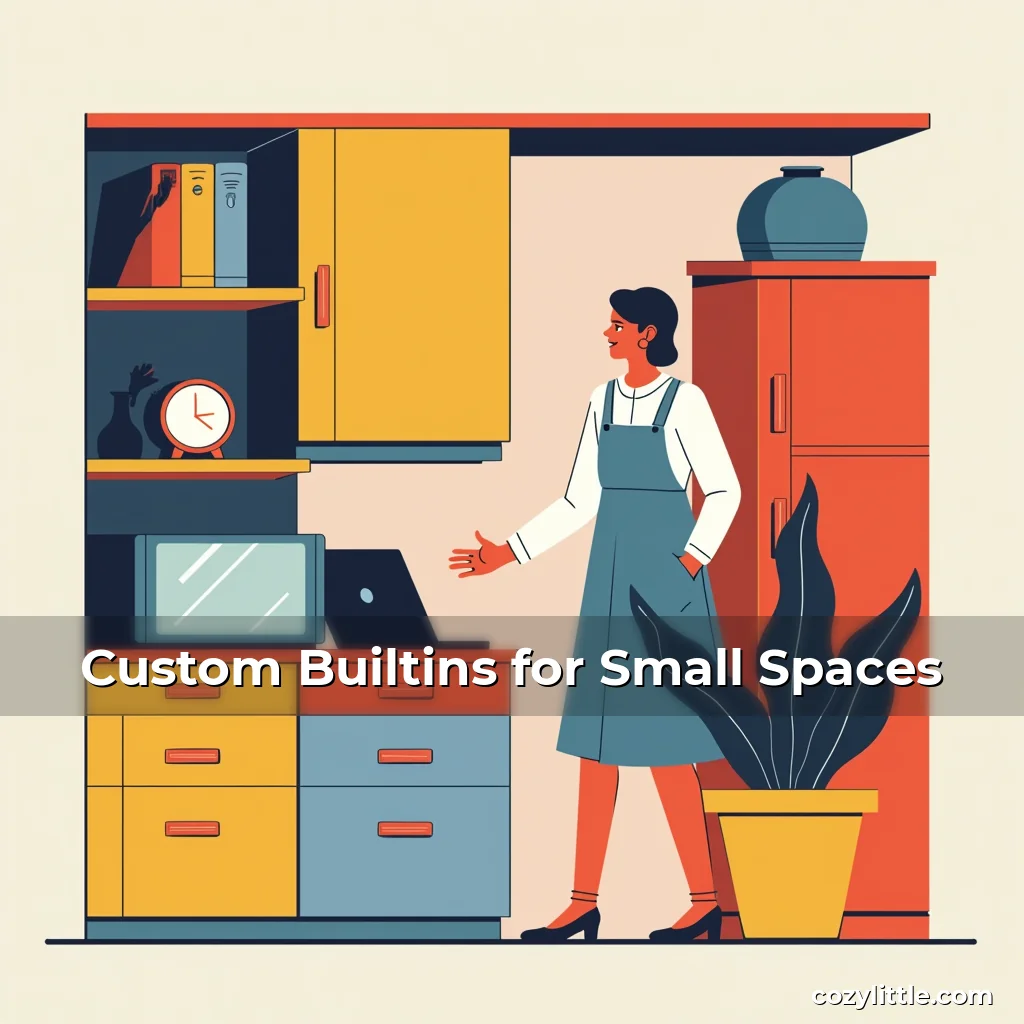
In today’s fast-paced world, many homeowners face the challenge of making the most out of limited space. This is particularly true for urban dwellers who live in apartments or houses with minimal square footage. One innovative solution gaining popularity is the concept of custom built-ins, which transform cramped quarters into functional, organized sanctuaries.
The appeal of custom built-ins lies not only in their ability to maximize space but also in their capacity to blend seamlessly with the overall aesthetic of a room. Whether you’re looking to store books, electronics, or household essentials, tailoring your storage solutions ensures that everything has its place, reducing clutter and increasing efficiency.
What Are Custom Built-Ins?
Custom built-ins refer to cabinetry, shelving, and other storage solutions that are designed and constructed specifically for a particular space. Unlike standard furniture pieces, these structures are crafted to fit perfectly within existing walls or architectural features, offering unparalleled customization.
This level of customization allows individuals to address unique spatial challenges. For example, awkward corners or irregularly shaped rooms can become functional zones when equipped with thoughtfully designed built-in shelves or cupboards.
- Personalized Design: Custom built-ins can be tailored to match your decor, from selecting the right wood grain to choosing hardware that complements your interior theme.
- Optimized Space Utilization: These structures make full use of vertical space, incorporating pull-down shelves, recessed lighting, and hidden compartments that enhance accessibility without sacrificing style.
By working closely with designers or carpenters, homeowners can ensure that every element of their custom built-ins serves both practical and decorative purposes, resulting in a harmonious balance between function and beauty.
Moreover, custom built-ins contribute significantly to property value. Well-designed storage solutions not only improve daily life but also increase the resale value of homes by presenting them as highly livable and appealing spaces.
Why Choose Custom Built-Ins Over Off-The-Shelf Furniture?
While mass-produced furniture offers convenience and affordability, it often lacks the flexibility required to meet individual needs. Custom built-ins provide a superior alternative by addressing specific requirements such as unusual dimensions, specialized storage needs, and aesthetic coherence with surrounding décor.
For instance, if you have a narrow hallway leading to your bedroom, installing a custom closet system along the length of that corridor can turn an otherwise unused space into a stylish dressing area complete with ample hanging rods, drawer organizers, and even built-in mirrors.
Besides being adaptable to diverse situations, custom built-ins also promote sustainability. By investing in durable constructions made from eco-friendly materials, homeowners reduce waste associated with frequent purchases and disposals typical of conventional furnishing cycles.
Additionally, since they’re installed permanently rather than moved around regularly, custom built-ins foster greater sense of permanence and stability within interiors—an attribute increasingly valued among contemporary consumers seeking meaningful connections with their living environments.
Design Considerations When Planning Your Custom Built-Ins
Selecting appropriate designs for your custom built-ins requires careful consideration of several factors including available space measurements, intended purpose(s) of the unit(s), desired visual effects, and technical specifications related to load-bearing capacities etcetera.
To begin with, accurately measuring your designated area is imperative; precise data helps avoid costly errors later during construction phase. It’s advisable to sketch preliminary layout plans before finalizing any decisions regarding types/positions/orientation of components.
Consider also how much weight various items will impose upon different parts of your built-in setup—this determines whether solid wood frames suffice or reinforced metal supports may be necessary depending on contents’ heftiness.
Determining preferred styles involves exploring current trends while considering timeless classics too; opting for neutral tones usually proves wisest choice unless vibrant hues genuinely resonate personally which might help inject personality into otherwise subdued surroundings.
Eco-Friendly Materials for Sustainable Choices
Choosing sustainable materials plays a pivotal role in environmentally conscious building practices. Bamboo, reclaimed woods, recycled metals, low-VOC paints—all represent viable alternatives contributing positively toward green initiatives without compromising quality standards.
A survey conducted recently revealed that nearly seventy percent (70%) respondents expressed heightened interest in adopting greener approaches when renovating properties indicating growing awareness concerning ecological impacts tied to consumption patterns.
Furthermore, energy-efficient lighting fixtures integrated into cabinet designs further amplify environmental benefits by minimizing electricity usage thus lowering carbon footprints substantially across residential sectors globally.
Engaging professionals experienced in implementing eco-conscious techniques ensures adherence to best practices promoting health safety alongside resource conservation objectives simultaneously achieved through thoughtful application of advanced technologies & methodologies.
Integrating Smart Technology Into Your Custom Built-Ins
Modern advancements allow incorporation of smart gadgets within traditional furniture setups thereby enhancing usability levels exponentially. From voice-controlled LED strips embedded inside drawers to automated blinds controlled remotely via smartphone apps—technology now permeates virtually every aspect of domestic architecture seamlessly.
This fusion opens avenues for improved organization methods enabling users manage possessions effortlessly through digital interfaces accessible anytime anywhere facilitating better productivity outcomes especially beneficial for busy professionals juggling hectic schedules.
Smart sensors detecting movement patterns enable intelligent activation/deactivation mechanisms conserving power efficiently while ensuring optimal illumination conditions prevailing consistently irrespective external fluctuations affecting natural light availability throughout day-night cycle.
Such innovations don’t merely serve utilitarian roles—they elevate experience transforming mundane tasks into interactive engagements fostering deeper emotional bonds between inhabitants & their living spaces cultivating stronger attachments rooted firmly in technological sophistication coupled with ergonomic comfort.
Cost Factors Involved In Creating Custom Built-Ins
Investing in bespoke storage solutions necessitates understanding financial commitments upfront prior embarking upon project execution phases. While cost varies widely influenced primarily by size complexity & materials selected, average ballpark figures hover approximately $50-$150 per linear foot excluding additional expenses incurred due to special requests beyond basic configurations.
It’s prudent initially establish clear budget parameters delineating acceptable ranges allowing sufficient leeway accommodating unexpected expenditures arising inevitably amidst creative endeavors aimed at achieving ideal end results aligned precisely with envisioned goals.
Consultants typically charge hourly rates ranging between $60-$120 depending expertise levels whereas craftsmen may levy charges varying according to regional market dynamics plus nature intensity demanded worksmanship qualities required fulfilling intricate detailing demands peculiar certain projects.
Maintaining realistic expectations regarding timeframes involved equally important—complex undertakings occasionally extend timelines surpassing estimated durations thereby impacting overall fiscal allocations allocated originally henceforth necessitating flexible scheduling arrangements accounting contingencies ahead.
Enhancing Functionality Through Multi-Purpose Designs
One standout feature distinguishing exceptional custom built-in installations lies inherent versatility manifesting multifunctional capabilities serving dual purposes simultaneously thus amplifying utility quotient considerably relative conventional single-purpose counterparts.
Examples include Murphy beds concealed behind retractable panel doors revealing sleeping accommodations instantly deployable whenever needed whereas daytime they act purely decorative accents blending effortlessly ambient settings.
Similarly folding workstations emerge from seemingly plain walls transforming offices quickly configurable according to shifting priorities requiring immediate access writing instruments notebooks computers etc., post which fold back neatly preserving pristine condition until subsequent usage occasion arises.
Craftsmanship excellence here paramount ensuring smooth operation mechanisms enduring prolonged periods continuous activity cycles devoid malfunctions attributable poor engineering choices undermining reliability aspects central success criteria defining effective implementations.
Promoting Health And Safety With Thoughtful Construction Practices
Attention must be paid to ergonomics when designing custom built-ins to prevent injuries caused by poorly placed items or unstable structures. Ensuring adequate clearance between shelves, easy reach to frequently used objects, and non-slip surfaces contributes greatly to occupant wellbeing.
Using non-toxic adhesives and sealants prevents exposure to harmful chemicals, making interiors safer for children and pets alike. Additionally, incorporating ventilation channels within enclosed storage areas reduces humidity buildup which can lead to mold growth damaging both belongings stored therein and structural integrity itself.
Fireproof materials should be considered for locations near heat sources such as stoves or fireplaces. Installing smoke detectors close to electrical outlets located within custom built-ins adds another layer of protection against potential hazards originating internally rather than externally.
Regular maintenance checks ensure continued safe functioning of moving parts and secure attachment points preventing accidents stemming from wear tear overtime potentially causing failures endangering occupants’ physical security status quo.
Fostering Community Engagement Through Shared Knowledge On Custom Built-In Projects
Sharing experiences about undertaking DIY versus professional assistance for crafting custom built-ins encourages collective learning benefiting wider audiences interested improving living conditions affordably effectively.
Online forums dedicated discussing successes failures encountered during creation process serve invaluable resources helping newcomers navigate complexities confidently armed knowledge gleaned peers navigating similar journeys previously embarked upon successfully conclusively.
Workshops organized locally facilitate hands-on training sessions teaching fundamental skills needed constructing simple versions oneself saving considerable monetary investment initially perceived prohibitive compared store-bought equivalents subsequently realized comparable quality achievable independently given proper guidance support received during instructional sessions attended voluntarily enthusiastically.
Collaborative efforts among neighbors pooling resources acquiring bulk discounts purchasing raw materials together fosters camaraderie strengthens social ties naturally formed through shared interests revolving around enhancement communal living environments collectively striving achieve higher standards cleanliness orderliness reflected visibly outward appearances maintained diligently consistently.
Conclusion
Custom built-ins present remarkable opportunities redefining limitations imposed confined spaces through imaginative utilization available real estate optimally satisfying diverse storage needs elegantly merging utility aesthetics cohesively.
Whether aiming streamline workflow procedures optimize entertaining arrangements bolster wellness initiatives prioritize sustainability principles ultimately decision invest wisely future-proofing residences adapting evolving lifestyle trajectories confidently securely comfortably.

news is a contributor at CozyLittle.com. We are committed to providing well-researched, accurate, and valuable content to our readers.