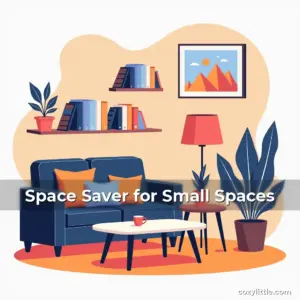

Maximizing Every Inch: A Space-Saving Lifestyle for Small Spaces
In today’s world, where urban living often means compact apartments and tiny homes, finding creative ways to utilize every square inch of space has become essential. Enter the “space saver”—a revolutionary approach to organizing and storing belongings efficiently.
This guide dives deep into the art of maximizing small spaces, offering practical solutions and clever hacks that can transform even the most cramped environments into functional sanctuaries. Whether you’re dealing with a studio apartment or a cozy cottage, there’s always room for improvement when it comes to spatial efficiency.
Understanding What Makes a Space Saver Effective
A true space saver goes beyond basic storage solutions; it redefines how we interact with our surroundings. Unlike traditional methods that simply add more storage, effective space-saving techniques prioritize function over form, ensuring that every item serves multiple purposes.
The evolution of space-saving technology began in densely populated cities where real estate was scarce. Innovators started designing furniture that could change functions—like beds that convert into sofas or tables that double as workstations. These innovations laid the foundation for the modern space-saving movement.
- Flexibility: Items that serve dual roles help maintain open floor plans without sacrificing utility.
- Modularity: Components that can be rearranged allow customization based on changing needs and seasons.
- Sleek Design: Minimalist aesthetics prevent clutter while maintaining visual harmony in tight quarters.
- Hidden Storage: Ingenious compartments built into walls, ceilings, or floors offer discreet access to essentials.
The Benefits of Adopting a Space-Saving Mindset
Embracing space-saving principles offers numerous advantages that extend far beyond mere aesthetics. One immediate benefit is the significant reduction in clutter, which contributes to lower stress levels and improved mental clarity.
Creative storage solutions also lead to long-term financial savings. By investing in high-quality multipurpose items rather than purchasing separate pieces, individuals can reduce overall spending while increasing durability and longevity.
Economic Advantages of Smart Organization
According to recent studies, households that adopt efficient storage practices save an average of $300 annually on replacement costs alone. This includes everything from furniture repairs to buying new accessories unnecessarily.
Additionally, well-organized homes tend to appreciate in value faster than disheveled ones. Real estate agents report that buyers are willing to pay a premium for properties featuring smart storage solutions, especially in smaller dwellings.
Designing Your Ideal Space-Saving Furniture Layout
Selecting the right furniture is crucial when implementing space-saving strategies. Look for modular pieces made from durable materials that can withstand frequent adjustments without compromising structural integrity.
Consider incorporating movable partitions or folding screens to create flexible zones within your living area. These tools enable easy transformation of rooms depending on daily activities or guest visits.
Trends Shaping Modern Space Saving Solutions
Current market trends show a growing demand for furniture with integrated charging stations and wireless capabilities. Devices like table lamps embedded with USB ports exemplify this shift towards convenience-driven design.
Another emerging trend involves biophilic design elements combined with space-saving techniques. Plants placed strategically not only enhance air quality but also visually expand confined areas through the illusion of depth.
Innovative Storage Systems That Work Wonders
When considering storage options, think vertically. Wall-mounted shelving units provide ample surface area without consuming precious floor space. Choose models with adjustable brackets to accommodate various item sizes.
Utilize underutilized corners effectively by installing corner shelves or rotating bookcases that make full use of diagonal spaces typically left empty.
Decluttering Techniques for Optimal Results
Before implementing any new system, conduct thorough decluttering sessions. Apply the KonMari method by evaluating each possession based on whether it sparks joy before deciding its fate.
Differentiate between necessary and sentimental items during sorting. For example, keep family heirlooms but store them away neatly instead of displaying them haphazardly around the house.
Leveraging Technology for Enhanced Spatial Efficiency
Modern technology plays a vital role in enhancing space-saving efforts. From automated blinds to motorized garage doors, technological advancements continue pushing boundaries regarding how much we can optimize our living environments.
Invest in smart home devices that streamline everyday tasks while minimizing physical footprint. Voice-controlled assistants can manage lights and appliances remotely, reducing the need for bulky switches and control panels.
Apps and Software Tools for Better Management
Several mobile applications now assist users in tracking inventory and monitoring usage patterns. These tools help identify redundant possessions and suggest optimal placement based on frequency of use.
Some platforms even integrate augmented reality features allowing homeowners to visualize potential layouts digitally before making permanent changes to their interiors.
Creating Community Through Shared Resources
Building connections within local neighborhoods fosters opportunities for collective problem-solving related to space management challenges. Join online forums or attend workshops focused specifically on maximizing small living spaces.
Participate actively in community gardening projects that encourage resource sharing among neighbors. Access to shared tools and equipment reduces individual ownership burdens significantly.
Maintaining Balance Between Functionality and Aesthetics
While prioritizing practicality is crucial, don’t neglect aesthetic considerations entirely. Select decorative accents carefully—opt for minimalist artwork or statement light fixtures that contribute positively to ambiance without overwhelming the space.
Balance is key; too many decorative elements may negate the very purpose of simplification. Aim for curated selections that reflect personal style while keeping things orderly and uncluttered.
Conclusion
Adopting a space-saving mindset transforms limitations into opportunities for creativity and innovation. With thoughtful planning and strategic implementation, anyone can turn even the smallest dwelling into a comfortable haven filled with personality and purpose.
Start experimenting with different combinations of furniture layouts, storage solutions, and technological enhancements today. Remember, the goal isn’t merely about fitting more into less space—it’s about creating a livable environment that reflects who you are while respecting the constraints imposed by contemporary living conditions.
“`

news is a contributor at CozyLittle.com. We are committed to providing well-researched, accurate, and valuable content to our readers.