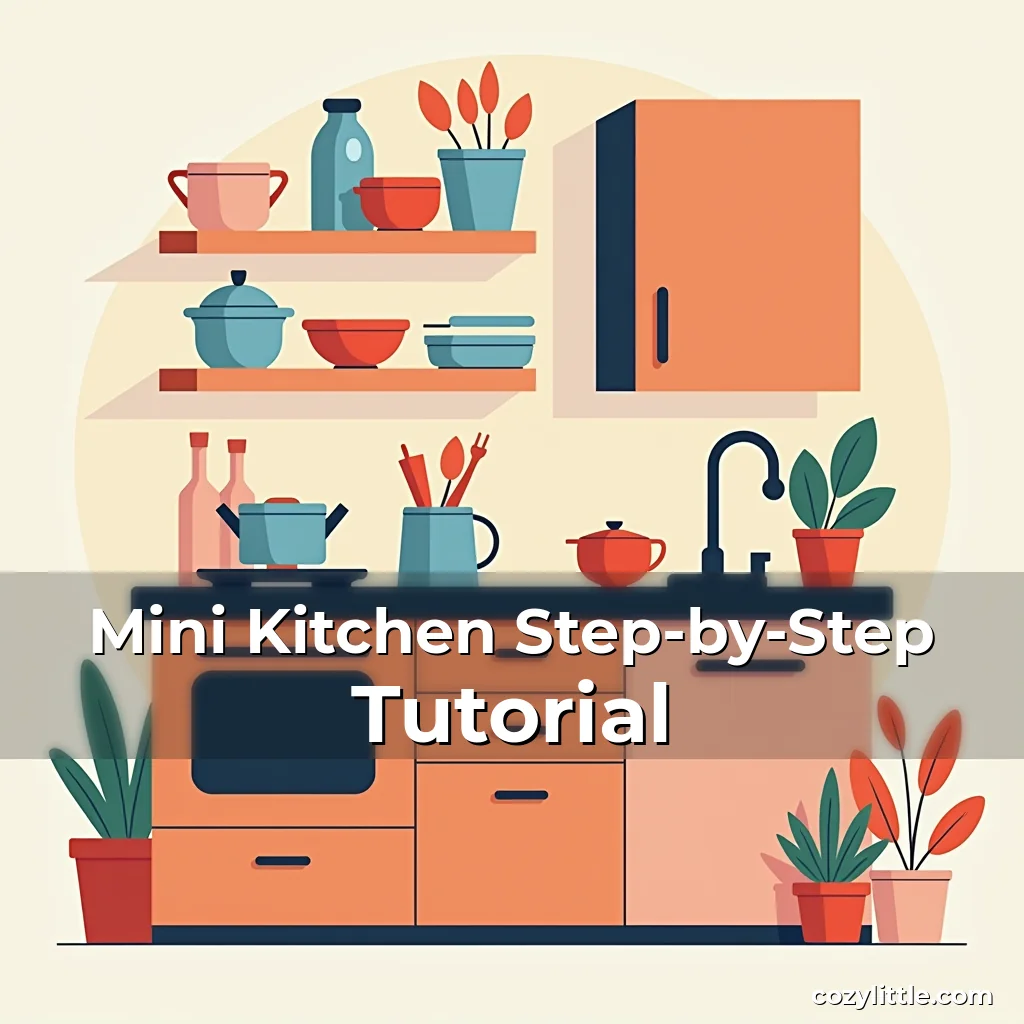
Mini Kitchen Step-by-Step Tutorial
A mini kitchen can transform even the smallest living spaces into functional and stylish culinary hubs. Whether you’re optimizing a studio apartment, converting a spare room, or simply upgrading your current setup, thoughtful planning and creative design choices are essential.
This guide provides a step-by-step approach to building or reimagining your mini kitchen, covering layout strategies, appliance selection, storage solutions, and decorative touches that maximize utility without sacrificing charm.
The Power of Space Optimization
Mini kitchens thrive when every inch serves a purpose. By adopting efficient layouts and multifunctional furniture, you can achieve remarkable results despite limited square footage. Consider how each component interacts within the available area before finalizing designs.
Incorporating vertical storage systems, fold-out tables, and built-in shelving creates a seamless blend of form and function. These features help maintain visual clarity while providing access to frequently used items.
- Wall-mounted cabinets: Save floor space while storing cookware, utensils, and condiments.
- Folding counters: Convert dining areas into workspace during meal prep sessions.
Evaluating Your Mini Kitchen Needs
Determining your cooking habits and storage requirements forms the foundation of any successful project. Begin by assessing how often you prepare meals, whether guests visit regularly, and what tools or ingredients require immediate accessibility.
Categorize essentials based on frequency of use rather than sheer quantity. Items accessed daily deserve prime placement near countertops or within easy reach from drawers and shelves.
Common Essentials Checklist
A typical mini kitchen requires core components such as a compact refrigerator/freezer combo, a microwave oven, a single-burner stovetop, and ample counter space for food preparation. These basics allow basic cooking functions without overwhelming small spaces.
Supplement these with specialized equipment depending on dietary preferences or hobbies—like espresso machines for coffee lovers or air fryers for health-conscious cooks. Prioritize versatility over specialization whenever possible.
Design Layout Strategies
Selecting the right configuration significantly impacts usability. Common setups include L-shaped, U-shaped, galley-style, and island arrangements. Choose a format that aligns with your workflow patterns and physical dimensions.
For example, an L-shape works well in corners allowing natural movement between appliances. A straight line layout minimizes clutter but may limit interaction opportunities among different zones.
Choosing Compact Appliances
Compact appliances enable full functionality without consuming excessive real estate. Look for models designed specifically for small kitchens including refrigerators under 6 cubic feet capacity, ovens with convection capabilities, and dishwashers optimized for reduced water usage.
Invest in energy-efficient units to lower electricity bills and environmental impact. Features like adjustable shelves, modular configurations, and integrated technology enhance both performance and aesthetics.
- Refrigerator/freezers: Opt for side-by-side or bottom-freezer styles for better organization.
- Oven ranges: Select induction cooktops offering precise temperature control.
Smart Storage Solutions
Storage is paramount in mini kitchens; maximizing cabinet depth, utilizing drawer organizers, and incorporating pull-out trays increases accessibility without increasing footprint size. Think creatively about hidden compartments beneath flooring or inside walls.
Pot racks suspended above sinks provide convenient access while saving precious shelf space. Magnetic knife holders mounted onto backsplashes offer secure yet visible tool placements ideal for quick retrieval.
Custom Cabinet Ideas
Tailor cabinetry according to personal style and spatial constraints. Custom-built pieces can incorporate curved edges, soft-close mechanisms, and interior dividers for optimal item segregation. Glass fronts showcase collectibles while reflecting light naturally.
Consider installing rolling carts equipped with wheels and casters for mobility across rooms. These mobile islands serve dual purposes as serving stations during entertaining events or extra workspaces when needed.
Lighting Enhancements
Proper illumination transforms cramped quarters into inviting environments. Combine ambient lighting through ceiling fixtures with task-specific lights positioned above countertops and along baseboards. LED strips add modern flair while being highly energy efficient.
Sensor activated switches reduce manual effort required to adjust brightness levels automatically. Mirrored surfaces reflect natural daylight improving overall visibility throughout daytimes hours.
Decorative Elements & Personalization
Beyond functionality lies the opportunity to infuse personality into your mini kitchen space. Incorporate color schemes matching existing home décor themes using paint colors, tile selections, or wallpaper accents. Statement backsplash tiles become focal points highlighting craftsmanship efforts invested.
Displaying artful photographs framed neatly alongside recipe cards keeps inspiration readily accessible. Plants placed strategically purify air quality simultaneously enhancing aesthetic appeal effortlessly.
Maintaining Cleanliness Efficiency
Keeping things tidy becomes easier with designated cleaning zones and streamlined routines. Install sink drains fitted with garbage disposal units minimizing post-meal cleanup demands dramatically. Easy-to-clean materials facilitate regular maintenance schedules effectively.
Use microfiber cloths paired with eco-friendly cleaners promoting sustainable practices beneficial towards reducing chemical exposure risks. Regularly schedule deep cleaning cycles focusing attention on high-touch surfaces primarily encountered during cooking processes.
Cost-Effective Upgrades
Renovations don’t necessarily mean expensive renovations. Shop sale items at local stores or online marketplaces selling gently-used products still functioning perfectly fine. Secondhand finds sometimes offer superior build quality compared against new offerings priced higher.
DIY projects involving repurposing old furniture into novel storage solutions demonstrate resourcefulness proving creativity equals effectiveness regardless financial limitations imposed upon individuals seeking affordable alternatives.
Conclusion
Creating an effective mini kitchen involves careful consideration of numerous factors ranging from spatial efficiency techniques to personalized embellishments adding character uniquely identifying individual tastes.
Start implementing changes gradually beginning with minor adjustments incrementally expanding scope until achieving desired outcome satisfying both practicality concerns alongside stylistic aspirations seamlessly merging together harmoniously within confined boundaries presented initially.

news is a contributor at CozyLittle.com. We are committed to providing well-researched, accurate, and valuable content to our readers.