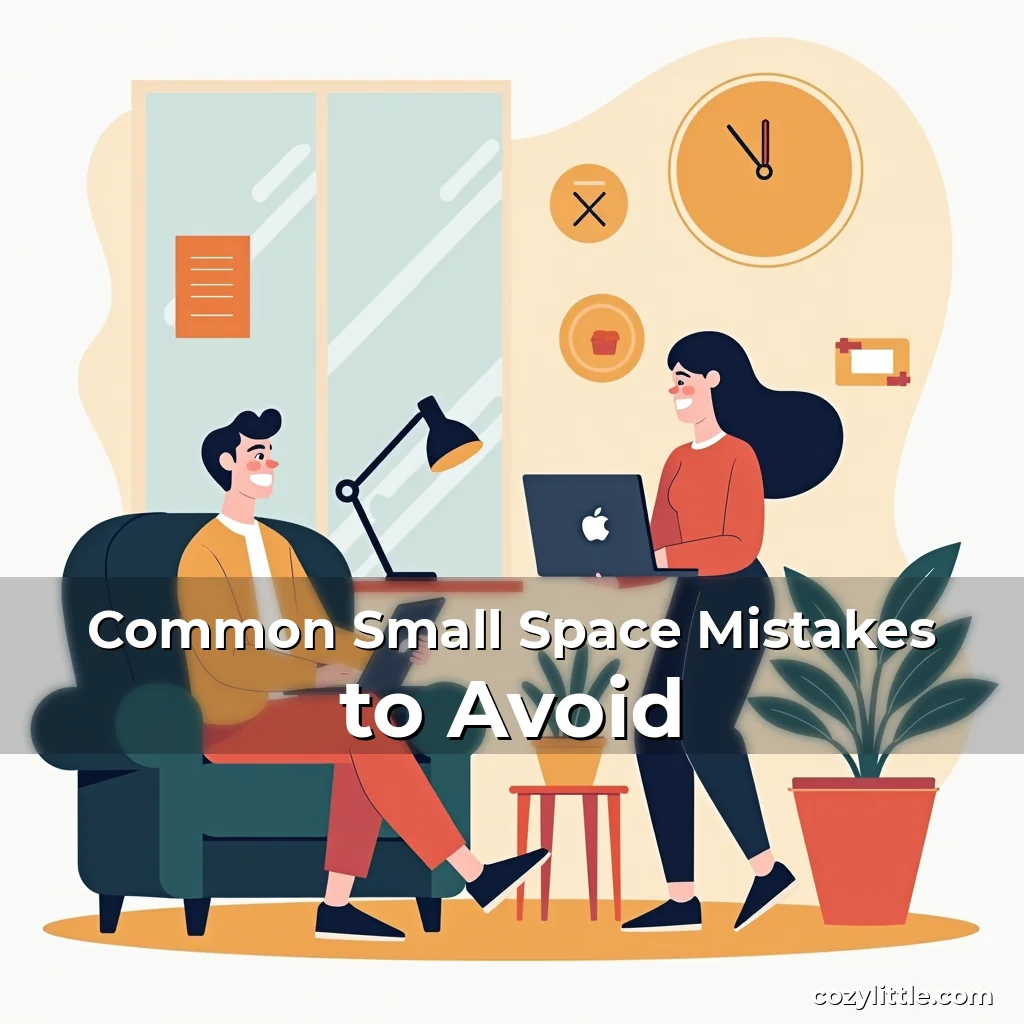
Common Small Space Mistakes to Avoid
In today’s urban living environments, maximizing limited square footage has become a top priority for homeowners and renters alike. Whether you’re downsizing your lifestyle or simply seeking greater efficiency in your current dwelling, understanding what not to do in small spaces can save you countless hours of frustration later. From misjudging storage potential to overlooking basic spatial psychology principles, many well-intentioned efforts to optimize compact areas end up creating new problems.
The difference between a functional cozy retreat and a claustrophobic nightmare often hinges on subtle design decisions. By identifying and correcting these common pitfalls early in the process, you’ll transform your small space into a welcoming environment that feels both practical and aesthetically pleasing. This guide will walk you through the most prevalent mistakes while offering smart alternatives tailored specifically for small-space dwellers.
Misunderstanding Storage Potential
One of the most fundamental yet frequently overlooked aspects of optimizing small spaces involves rethinking storage strategies. Many people assume that their available surface area limits their ability to store belongings, leading to chaotic arrangements that compromise usability. In reality, creative storage solutions can dramatically increase usable space while maintaining visual order.
Vertical utilization remains the single greatest untapped resource in most compact homes. Studies show that upwards of 60% of home owners fail to fully exploit wall space, leaving precious real estate wasted. Simple additions like floating shelves, pegboards, and recessed niches can turn otherwise barren walls into highly functional storage zones.
- Multi-functional furniture: Invest in pieces that serve dual purposes, such as bed frames with built-in drawers or coffee tables featuring hidden compartments beneath.
- Creative organization systems: Utilize stackable bins, hanging organizers, and magnetic strips to maximize every inch of available space without sacrificing accessibility.
- Custom cabinetry: Consider bespoke shelving units designed to fit exact dimensions rather than settling for standard sizes that may leave gaps or protrude awkwardly.
When designing storage solutions for small spaces, prioritize ease of access over sheer volume. Frequent-use items should be placed within arm’s reach, while less commonly accessed goods can reside higher up or behind doors. This thoughtful approach prevents unnecessary clutter from accumulating near entryways and workspaces.
Adequate lighting plays an equally vital role in storage optimization. Poor illumination can obscure contents within cabinets and drawers, prompting individuals to purchase additional containers or spread out items unnecessarily across countertops. Installing task lighting above storage areas ensures visibility and encourages efficient inventory management.
Poor Lighting Choices
Lighting significantly influences our perception of space size, making it essential to address this factor carefully in small interiors. Natural light enhances openness and creates a sense of expansiveness, whereas inadequate artificial lighting can make even the largest rooms feel confined. Understanding how different lighting sources interact with your space is crucial for achieving balance.
Many small-space occupants mistakenly believe that adding more lights automatically improves ambiance. However, improper placement or excessive brightness can actually create glare issues and disrupt the intended atmosphere. Instead of focusing solely on quantity, consider quality and strategic positioning when selecting lighting fixtures.
The Impact of Light Colors and Reflective Surfaces
Research indicates that incorporating lighter-colored finishes and reflective materials can visually expand a room by up to 20%. Walls painted in soft pastels or whites reflect ambient light better than darker hues, contributing to an airy feel. Similarly, polished wood surfaces, glass objects, and metallic accents act as natural light amplifiers.
To maximize this effect, position mirrors strategically along pathways where light naturally travels. Placing a mirror opposite a window, for instance, doubles the amount of daylight entering the room while simultaneously creating the illusion of increased depth. Combining these techniques with skylights or solar tubes further enhances luminosity without requiring costly renovations.
Overlooking Multifunctionality
Small spaces demand innovative approaches to furniture selection, with multifunctional pieces emerging as indispensable assets. Traditional setups that designate specific roles to individual furnishings quickly consume valuable square footage, whereas adaptable options offer versatility without compromising comfort.
Built-in seating with integrated storage represents one particularly effective solution. These configurations allow users to enjoy lounging areas during leisure hours while also providing concealed compartments for storing blankets, books, or seasonal decor. Some models even feature pull-out trays or adjustable backrests that accommodate various activities seamlessly.
Folding structures provide another dimension of flexibility. Foldable dining tables that collapse into wall-mounted panels free up floor space when not in use, while retractable desks can be stowed away completely when working remotely isn’t required. These movable components enable dynamic rearrangements depending on daily routines and guest visits.
Selecting modular furniture sets adds yet another layer of customization possibilities. Units composed of interchangeable parts let inhabitants configure layouts according to changing needs – whether transitioning from a minimalist office setup to a social gathering arrangement overnight. Such adaptability proves especially beneficial in multi-purpose rooms serving diverse functions throughout the day.
Misusing Mirrors and Reflective Elements
While mirrors undeniably contribute to space expansion, their application requires careful consideration beyond merely placing one on every wall. Improperly sized reflections can distort proportions, while incorrect angles may cause discomfort due to excessive glares. Achieving optimal results demands attention to detail regarding scale, orientation, and placement.
Proportion matching becomes critical when choosing mirror dimensions relative to surrounding architecture features. Oversized frames tend to overwhelm narrow corridors unless deliberately coordinated with other decorative elements. Conversely, undersized specimens risk appearing disconnected from overall design themes.
Different shapes yield varying effects too – round mirrors soften sharp corners visually, rectangular ones elongate vertical lines, and oval forms gently curve sightlines toward focal points. Experimentation helps determine which form best complements existing interior characteristics before final installations occur.
Angle adjustment plays another pivotal role in determining effectiveness. Positioning mirrors slightly off-axis reduces direct line-of-sight conflicts but maintains peripheral visibility enhancements. Interior designers recommend testing multiple positions initially to find ideal viewing angles before committing permanently.
Ignoring Flooring Considerations
Floor coverings exert considerable influence over perceived spatial dimensions, necessitating informed selections based on both aesthetic preferences and dimensional realities. Darker shades absorb light and recede visually, potentially shrinking apparent room sizes, whereas lighter tones reflect illumination and appear larger. Choosing appropriate finishes accordingly transforms physical constraints into optical illusions.
Tiling patterns present additional opportunities for manipulation. Herringbone layouts introduce movement suggesting expanded horizons, diagonal placements stretch linear perspectives, and oversized formats minimize grout lines that fragment visual continuity. Even simple transitions between tile types at door thresholds create subtle directional cues enhancing navigational clarity.
Material choices matter similarly. Polished stone and ceramic surfaces maintain clean appearances conducive to open feeling contrasts with textured carpets which trap dust and diminish clarity. Opting for low-pile variants maintains breathability while preserving elegance through minimalistic detailing.
Hardwood flooring offers versatility unmatched by alternatives, allowing seamless integration with diverse décor styles ranging from rustic farmhouse aesthetics to sleek modernist interpretations. Its durability supports high traffic levels typical in compact residences without sacrificing beauty or value over time.
Excessive Color Usage
Color palettes wield tremendous power shaping mood and experience within enclosed environments. Yet careless implementation risks transforming serene sanctuaries into visually oppressive enclosures. Establishing harmonious relationships among selected hues ensures cohesive atmospheres instead of discordant clashes.
Neutral bases establish grounding stability upon which bolder statements can flourish safely. Creamy whites, warm greiges, and muted beiges create expansive backdrops accommodating experimentation without overwhelming senses. These foundational layers then support accentuating pops via accessories rather than full-scale repaints.
Vibrant splashes remain permissible provided they occupy limited percentages of overall composition. Accent walls, throw pillows, artwork selections, and decorative objects constitute acceptable avenues for expressing personality without jeopardizing spatial integrity. Limiting saturation intensity guarantees controlled expression rather than overpowering presence.
Textural variations aid transition smoothness between monochromatic foundations and colorful embellishments. Mixing matte finishes with glossy sheens introduces visual interest while preventing flatness. Incorporating tactile elements like woven rugs or leather-bound volumes enriches sensory experiences organically without demanding spatial concessions.
Compromising on Quality for Quantity
Cost-cutting measures sometimes lead to purchasing inferior products that ultimately prove detrimental in long-term scenarios. Cheaper alternatives may lack structural resilience, degrade rapidly, or fail to meet ergonomic standards essential for comfortable living conditions. Investing wisely upfront avoids recurring expenses associated with replacements and repairs.
Sustainable sourcing practices benefit both planetary health and personal finances simultaneously. Products crafted from reclaimed materials reduce environmental footprint while commanding premium prices justified by ecological consciousness. Supporting ethical manufacturers aligns consumption habits with broader societal values promoting responsible stewardship.
Ergonomic considerations cannot be neglected regardless of budget limitations. Selecting supportive seating arrangements prevents musculoskeletal disorders arising from prolonged postures. Adjustable desk heights facilitate proper posture alignment during extended computer sessions, mitigating strain injuries common among remote workers.
Smart technology integrations represent wise investments despite initial costs. Energy-efficient appliances lower utility bills considerably over years, while automated shading systems regulate indoor temperatures passively reducing HVAC dependency. These innovations pay dividends repeatedly through enhanced convenience and reduced expenditures.
Underestimating Psychological Factors
Human perception inevitably affects subjective assessments of spatial adequacy, meaning objective measurements alone don’t dictate comfort levels experienced personally. Recognizing psychological triggers influencing perceptions enables intentional design choices fostering positive emotional responses consistently.
Visual continuity emerges as paramount concern affecting mental well-being within constrained boundaries. Disjointed architectural elements interrupt flow, generating stress-inducing dissonance. Maintaining consistent ceiling heights, uniform wall treatments, and aligned furniture orientations establishes seamless transitions reinforcing coherence.
Personalization touches elevate mundane surroundings into cherished havens deserving of affectionate attachment. Customized textiles, curated art collections, and sentimental mementos cultivate intimacy absent from sterile commercial settings. Thoughtfully chosen memorabilia narrates life stories transforming mere shelter into meaningful sanctuary.
Biophilic design principles integrate nature-related elements easing cognitive fatigue linked to urban lifestyles. Indoor plants purify air while brightening moods through photosynthesis processes occurring continuously. Natural materials like bamboo or cork bring earthiness indoors, connecting residents emotionally with organic world outside building envelopes.
Conclusion
Optimizing small spaces requires deliberate planning combined with intelligent execution grounded in sound design principles. Addressing common pitfalls related to storage, lighting, multifunctionality, and material choices lays foundation for successful transformations. Prioritizing quality over quantity ensures longevity while cultivating environments that truly reflect individual personalities.
By implementing these lessons learned through conscious decision-making processes, anyone can achieve remarkable outcomes regardless of starting conditions. Embracing challenges inherent in compact living turns limitations into launchpads for creativity enabling beautiful, livable spaces that defy conventional expectations.
“` news is a contributor at CozyLittle.com. We are committed to providing well-researched, accurate, and valuable content to our readers.
“`html
You May Also Like