
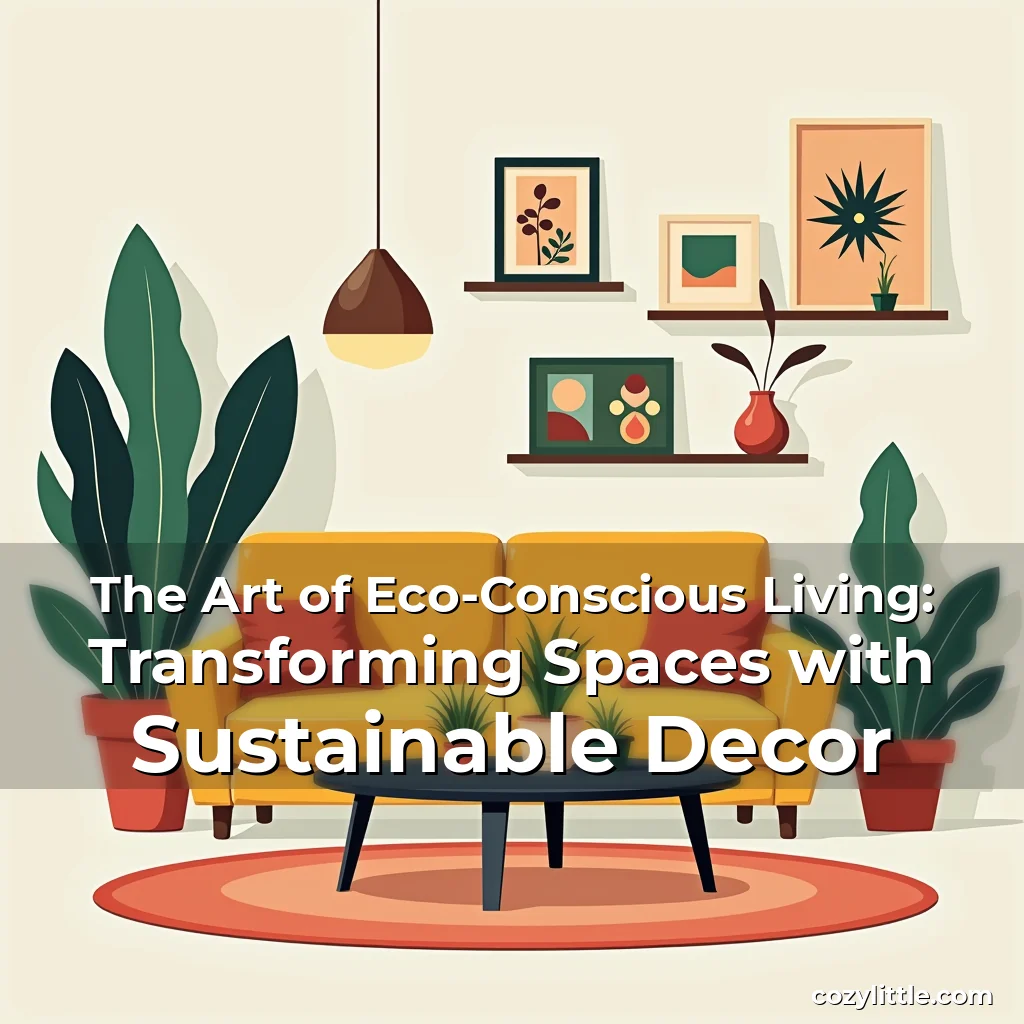
The Art of Eco-Conscious Living: Transforming Spaces with Sustainable Decor
In an era where environmental consciousness is not only encouraged but essential, sustainable decor has emerged as a powerful way to express personal style while making responsible choices. This approach combines aesthetics with ethics, allowing homeowners to create beautiful living spaces that reflect their values without compromising comfort or creativity.
The journey toward eco-friendly home design begins by reimagining how we interact with our surroundings. Every element—from furniture selection to lighting choices—can contribute significantly to reducing carbon footprints and promoting sustainability within daily life.
Redefining Interior Design Through Sustainability
Sustainable interior design goes beyond mere decoration; it encompasses thoughtful decisions aimed at minimizing environmental impact throughout a space’s lifecycle. From sourcing materials responsibly to considering long-term durability, each choice contributes to creating healthier homes and communities.
This philosophy encourages individuals to prioritize quality over quantity when selecting furnishings. Opting for pieces crafted from recycled or upcycled materials supports ethical production practices while also adding character through unique textures and patterns.
- Eco-Friendly Materials: Choosing wood certified by organizations such as the Forest Stewardship Council ensures responsible harvesting methods are used during manufacturing processes.
- Low-VOC Paints: These paints emit fewer volatile organic compounds compared to traditional options, improving indoor air quality and supporting respiratory health among occupants.
Additionally, incorporating natural elements like plants can enhance both visual appeal and functionality within any room. Not only do they add vibrancy through color variation, but they also help purify ambient air naturally—an added benefit often overlooked yet incredibly valuable.
Lighting plays another crucial role in achieving balance between form and function within sustainably designed interiors. LED bulbs consume less energy than conventional incandescent lights while lasting longer periods before needing replacement—a simple switch that yields substantial benefits over time.
Crafting Beautiful Spaces Without Compromise
One common misconception surrounding green décor is that it sacrifices aesthetic value for practicality alone. However, modern innovations have made it possible to enjoy visually appealing environments alongside environmentally conscious habits seamlessly integrated together.
Trends currently shaping the industry include biophilic design principles which emphasize connecting inhabitants with nature through strategic placement of botanical features inside residential areas. Such arrangements promote psychological well-being by fostering feelings of calmness associated with being surrounded by plant life.
Furniture manufacturers now offer collections featuring modular components allowing easy disassembly and eventual recycling at end-of-life stages. This shift towards circular economy models reduces waste accumulation rates across urban centers globally.
Moreover, advancements in textile technology enable creation of fabrics utilizing renewable resources such as bamboo fibers or hemp-based yarns. These alternatives provide softness comparable to cotton while requiring significantly lower water consumption levels during cultivation phases.
Statistics Highlighting Industry Shifts
A recent survey conducted by Green Building Council revealed that approximately seventy percent (70%) of consumers actively seek out products labeled ‘eco-friendly’ or’sustainably sourced.’ This statistic underscores growing awareness regarding material origins influencing purchasing behaviors substantially today.
Furthermore, investment figures show increased funding directed towards startups focused exclusively on developing innovative solutions related to zero-waste construction techniques. In fact, venture capital poured into these ventures rose nearly thirty-five percent (35%) year-over-year according to latest reports published by Environmental Finance Network.
These numbers indicate shifting priorities amongst stakeholders involved in real estate development sectors worldwide. As demand continues rising steadily for greener alternatives, businesses must adapt accordingly lest risk falling behind competitors who embrace change proactively rather than reactively.
Practical Steps Toward Creating Your Own Sustainable Space
Embarking upon transforming your living area into something both stylish and sustainable involves careful consideration of various factors including budget constraints, available storage capacity, and individual preferences concerning colors schemes favored personally.
Begin by assessing existing items already owned—many may still serve useful purposes even after initial acquisition dates pass. Repurposing old wooden crates into bookshelves provides excellent examples showcasing resourcefulness combined with creative flair simultaneously achieved effortlessly.
When shopping for new additions consider visiting local markets specializing in secondhand goods instead relying solely upon mainstream retailers selling mass-produced wares destined eventually for landfills post-consumer usage cycles conclude prematurely due lack of longevity inherent within cheaper alternatives offered frequently there.
Prioritize multi-functional objects capable fulfilling several roles concurrently thereby decreasing overall need acquiring additional possessions contributing unnecessarily increasing clutter levels indoors permanently unless otherwise managed effectively ahead time.
Beyond Aesthetics: Health Benefits Associated With Sustainable Choices
Selecting non-toxic cleaning agents helps maintain cleanliness standards required keeping surfaces hygienic safely devoid harsh chemical residues potentially harmful long term exposure scenarios especially relevant children reside within same environment regularly engaged active play sessions occurring floor level zones predominantly occupied majority household members daily routines.
Utilizing natural fiber rugs composed wool sheepskin offers superior insulation properties assisting regulate body temperatures efficiently particularly beneficial regions experiencing extreme seasonal variations affecting thermal comfort consistently throughout annual calendar periods.
Proper ventilation systems installed correctly ensure adequate airflow circulation preventing mold growth issues arising stagnant moisture conditions prevalent poorly ventilated rooms lacking sufficient opening windows doors facilitating fresh outdoor air exchange necessary maintaining optimal humidity balances critical human physiological functions depend heavily upon consistent maintenance schedules implemented religiously without fail.
Choosing bedding made organic cotton grown pesticide-free fields guarantees absence synthetic additives commonly found commercial textiles posing risks allergic reactions skin irritations encountered sensitive individuals possessing heightened susceptibility adverse effects caused contact prolonged duration repeated exposure instances.
Community Impact Of Adopting Greener Lifestyle Practices At Home
Implementing sustainable decorating strategies extends influence far beyond private residences themselves reaching broader societal implications impacting entire neighborhoods positively through collective efforts demonstrated visibly observable changes taking place gradually overtime.
Participating neighborhood cleanups initiatives organized locally fosters sense belonging strengthens social bonds formed among residents united shared goal enhancing communal beauty uplifting spirits generally experienced participants engaged meaningful activities contributing tangible improvements visible publicly accessible locations frequented many people everyday lives.
Supporting small businesses prioritizing ethical labor practices promotes fair wages decent working conditions ensuring workers receive appropriate compensation deserved rightfully earned through honest hard work invested producing high-quality craftsmanship appreciated valued customers appreciating genuine effort put forth creating distinctive offerings distinguishable easily from generic mass-market imitations readily available everywhere else elsewhere.
Engaging educational programs workshops held periodically teaches skills enabling reuse repurpose discarded materials converting trash treasure illustrating potential hidden within seemingly useless remnants previously considered worthless burdensome obstacles merely waiting opportunity transformation occurs magically revealing unexpected possibilities hitherto unimaginable before.
Future Trends Shaping Tomorrow’s Sustainable Interiors
As technological progress accelerates rapidly evolving landscape presents exciting opportunities revolutionize traditional approaches employed constructing designing interiors focusing ecological integrity paramount concern guiding every decision undertaken moving forward collectively shaping future generations inherit legacy built upon foundations laid today.
Smart home technologies integrating IoT devices allow precise control energy consumption optimizing efficiency maximizing savings achieved through intelligent automation managing heating cooling systems dynamically responding fluctuating external weather conditions automatically adjusting settings appropriately maintaining comfortable indoor climates regardless unpredictable atmospheric shifts occur unpredictably outside walls enclosing protected internal domains.
Advancements nanotechnology facilitate development self-cleaning surfaces resistant stains dirt naturally eliminating necessity frequent deep cleans reducing reliance chemical cleaners detrimental ecosystem health negatively affecting aquatic wildlife populations residing delicate ecosystems fragile balance maintained carefully preserved painstakingly cultivated relationships sustained harmoniously coexisting diverse species thriving interdependent networks established millennia ago remain intact undisturbed until recently disturbed human intervention disrupting equilibrium once existed unchallenged prior existence contemporary societies emerge rapidly expanding global population demands ever-increasing quantities finite natural resources necessitating urgent action address looming crises threatening planetary survival.
Biodegradable adhesives becoming increasingly popular alternative traditional glues containing toxic substances hazardous disposal processes posing serious threats landfill sites overflowing unsuitable materials requiring specialized handling procedures expensive costly impractical economically viable solutions adopted widely unless regulatory policies enforced strictly mandating compliance standards uniformly applied universally across industries operating within national borders governed respective governments enforcing laws protecting public welfare safeguarding environmental stability ensuring long-term viability planet Earth entrusted custodianship current generation tasked preserving stewardship passed down descendants future centuries ahead.
Conclusion
Embracing sustainable decor represents significant step toward cultivating mindful lifestyle embracing responsibility caring environment nurturing positive relationship between humans nature manifested physically through intentional choices reflected spatial arrangements created consciously thoughtfully executed with purposeful intent.
By adopting practices outlined above individuals empower themselves become architects change building brighter tomorrow rooted solid foundation respect reverence for world surrounds us daily lives lived actively participating ongoing dialogue between humanity ecology striving achieve symbiotic harmony mutually beneficial outcomes realized through collaborative efforts guided principled intentions aligned universal goals sustainability equity resilience.