Seamless Integration: Mastering Hidden Storage for Modern Living Spaces
In today’s fast-paced world, maximizing space efficiency isn’t just practical—it’s essential. Hidden storage solutions offer a revolutionary way to declutter homes while preserving aesthetic appeal.
The concept of concealed storage blends functionality with design, transforming everyday spaces into organized sanctuaries without sacrificing visual harmony.
Understanding Hidden Storage Concepts
Hidden storage refers to innovative techniques that integrate storage compartments within regular home structures. These systems often utilize clever engineering to conceal items from view while keeping them easily accessible.
Unlike traditional storage methods, these solutions prioritize discretion over visibility. From built-in wall niches to secret compartments in furniture, modern approaches emphasize both form and function.
The core principle revolves around creating multipurpose spaces that serve dual roles. A bookshelf may double as a filing cabinet, while a sofa could hide drawers filled with seasonal essentials.
This approach appeals particularly to urban dwellers facing spatial constraints. By redefining conventional notions of storage, homeowners achieve remarkable organization without compromising style.
Benefits of Hidden Storage Solutions
One of the most compelling advantages is enhanced visual simplicity. With fewer visible objects cluttering living areas, rooms appear larger and more inviting.
These systems also promote better habit formation. When items have designated places, individuals naturally develop routines that reduce mess accumulation over time.
Security becomes another significant benefit. Valuable possessions stored discreetly face reduced risk of theft compared to openly displayed collections.
Maintaining cleanliness improves dramatically with effective storage. Dust collects less frequently in properly sealed containers, reducing maintenance efforts significantly.
Types of Hidden Storage Options
Furniture-based solutions remain among the most popular choices. Custom-built pieces incorporate sliding panels, lift-top tables, and pull-out trays seamlessly integrated into daily use.
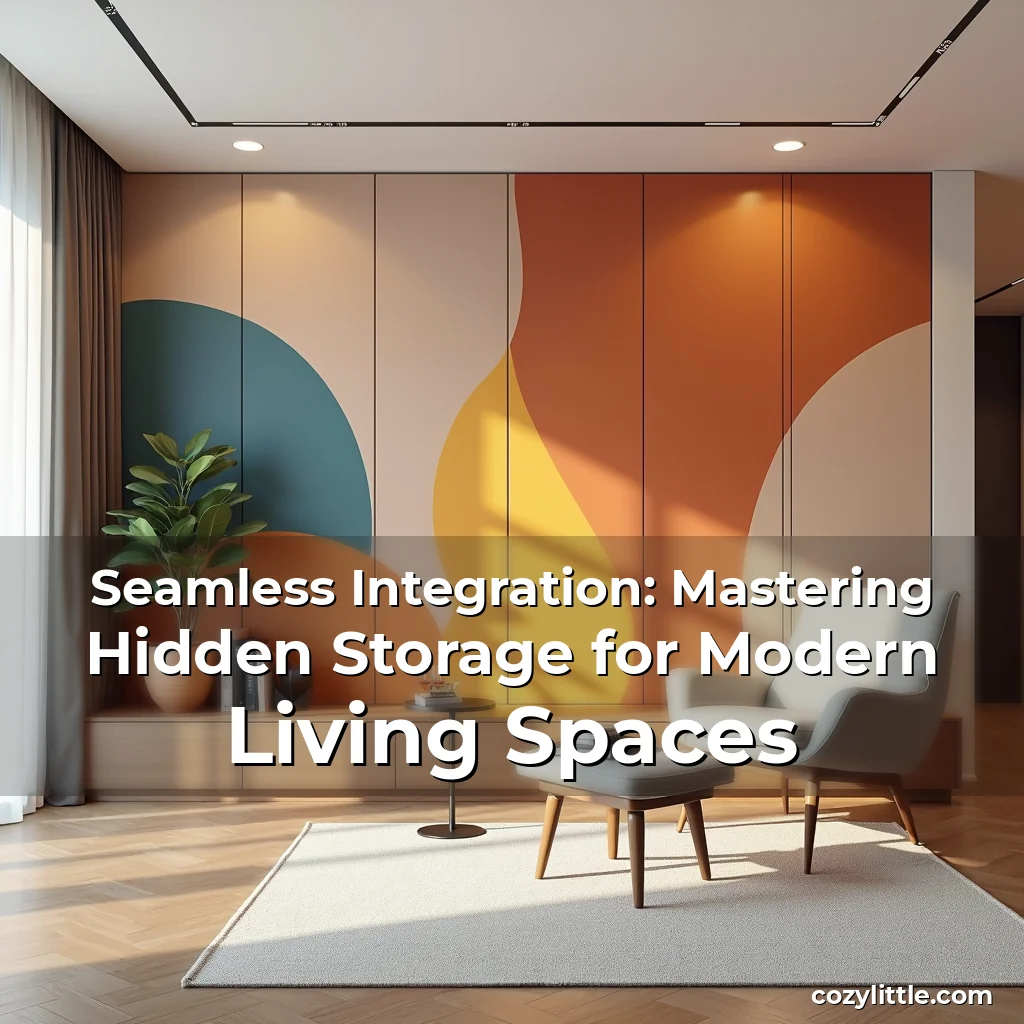
Wall-mounted systems provide exceptional versatility. Hollow walls allow installation of recessed shelving units or full-length cabinets disguised behind decorative paneling.
Underfloor storage represents an advanced option ideal for basements or ground-level apartments. Accessible through removable floorboards, these systems maximize vertical space utilization.
Built-in cabinetry works wonders in kitchens and bathrooms. Concealed spice racks, medicine cabinets, and appliance garages transform functional spaces into sleek architectural features.
Emerging Innovations in Storage Technology
Recent advancements in smart home technology have revolutionized hidden storage capabilities. Motion-sensor activated compartments now respond automatically to users’ presence.
Some high-end systems feature biometric locks that recognize fingerprint patterns, adding layers of personalization and security. Voice-controlled access further enhances convenience levels.
Integrated lighting solutions illuminate interior storage spaces, making retrieval easier during nighttime hours. LED strips embedded within cabinetry provide subtle illumination without overwhelming ambient light.
Smart sensors monitor temperature and humidity levels inside sealed storage units, protecting sensitive items from environmental damage. Some models even alert owners via mobile apps when conditions require attention.
Designing for Aesthetics and Functionality
A successful implementation balances practicality with artistic expression. Architects must consider how each storage element contributes to overall room composition.
Material selection plays a crucial role in achieving desired aesthetics. Natural wood finishes complement rustic themes, while polished metals enhance contemporary interiors.
Color coordination ensures seamless integration. Matching storage components to surrounding decor
Ergonomic factors influence accessibility. Storage heights must accommodate diverse physical abilities to ensure universal usability standards.
Ensuring Long-Term Durability
Regular maintenance schedules prolong system lifespan. Lubrication intervals for moving parts prevent mechanical failure due to friction wear.
Periodic inspections identify potential weaknesses early. Structural assessments reveal stress points requiring reinforcement before serious issues arise.
Environmental monitoring detects changes that affect longevity. Humidity controls protect against warping, while temperature regulation safeguards delicate materials.
Upgrading outdated systems maintains effectiveness. Retrofitting older buildings with new storage solutions preserves historical character while enhancing functionality.
Cost-Benefit Analysis
Initial investments vary widely depending on complexity and scale. Simple modifications typically range from $500 to $2000, while comprehensive renovations exceed ten thousand dollars.
Long-term savings emerge through increased property value appreciation. Well-designed storage solutions become selling points that attract discerning buyers.
Ongoing costs remain relatively low after installation. Minimal maintenance requirements ensure affordability over extended periods.
ROI calculations demonstrate clear financial advantages. Enhanced livability translates into higher rental rates or faster resale times for real estate assets.
Evaluating Investment Value
Custom fabrication increases expenses but guarantees perfect fit dimensions. Prefabricated kits offer budget-friendly alternatives with slight compromises on customization.
Labour costs fluctuate regionally. Urban centers generally charge premium rates compared to rural markets with lower operational overheads.
Material quality affects pricing tiers. Premium-grade hardwoods command higher prices than composite alternatives offering comparable performance at reduced costs.
Insurance premiums decrease with added protection. Secure storage reduces liability risks associated with stolen goods or damaged property.
Conclusion
Hidden storage solutions represent transformative innovations shaping modern residential design. Their ability to merge utility with elegance sets them apart from conventional approaches.
By thoughtfully integrating these systems, homeowners gain unprecedented control over their living spaces. The result is harmonious environments that satisfy both organizational needs and aesthetic aspirations.
To begin your journey towards optimized living, consult qualified professionals who specialize in customized storage solutions. Their expertise will guide you toward choices aligned with your lifestyle priorities.
Remember that the best storage systems evolve alongside changing needs. Regular reviews and adjustments ensure continued satisfaction as life circumstances shift over time.